Understanding Structural Steel Construction
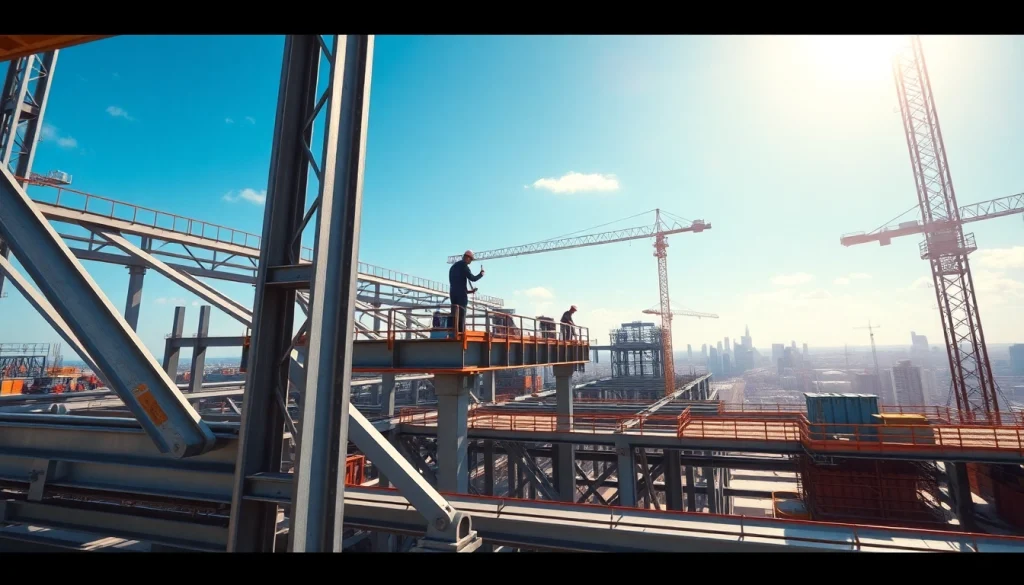
Structural steel construction is a vital aspect of modern architecture and engineering, providing the framework that supports an immense variety of buildings and structures. It offers unparalleled strength, flexibility, and durability. The integration of this material into various construction projects elevates not only structural integrity but also aesthetic appeal. With its wide-ranging applications, structural steel construction is increasingly popular in sectors ranging from commercial buildings to bridges and industrial facilities.
The Basics of Structural Steel
Structural steel is a category of steel used as a construction material for making structural steel shapes. It is formed through various processes to enhance its durability and strength. These steel shapes can then be fabricated into beams, columns, and frames to support loads and provide structure to the overall design. Common classifications include flat bars, angles, channels, and I-beams, each serving a distinct purpose in construction projects.
Advantages of Using Structural Steel
Utilizing structural steel in construction projects offers numerous advantages:
- High Strength-to-Weight Ratio: Structural steel’s strength allows for lighter structures that can handle heavy loads.
- Durability: It withstands environmental stressors, such as wind, earthquakes, and corrosion, enhancing the lifespan of structures.
- Speed of Construction: Pre-fabricated steel components can be quickly assembled on-site, significantly reducing construction time.
- Design Flexibility: Steel’s malleability allows architects to experiment with innovative designs without sacrificing stability.
- Cost Efficiency: While initial investments might be higher, the long-term savings in maintenance and energy efficiency justify the costs.
Common Applications in the Industry
Structural steel finds applications across various industries, including:
- Commercial Buildings: High-rise offices, malls, and retail centers prominently feature steel frames for strength and design versatility.
- Infrastructure: Bridges and tunnels utilize steel due to its ability to withstand heavy traffic loads and environmental challenges.
- Industrial Facilities: Factories and warehouses leverage steel frames for spacious designs conducive to operations.
- Residential Construction: Increasingly, homes are being built with steel frameworks to enhance durability and fire resistance.
Key Techniques in Structural Steel Construction
Welding and Bolting Methods
Welding and bolting are the primary methods used to join structural steel components. Each technique has particular applications, advantages, and limitations. Welding involves melting the edges of two pieces of metal together, creating a single unit that is strong but requires skilled labor and quality control to prevent defective joints. Bolting, on the other hand, is simpler to execute and allows for disassembly if needed. Balancing these methods according to project demands is crucial for optimal performance.
Effective Fabrication Processes
The fabrication process involves several steps to convert raw steel into structural components. It includes:
- Cutting: Steel is cut to specification using saws, plasma cutters, or lasers, ensuring precise dimensions.
- Drilling: Holes are drilled for bolting or welding purposes, with accuracy being essential to structural performance.
- Painting or Coating: Protective coatings are applied to prevent corrosion, ensuring longevity in harsh environments.
Utilizing advanced machinery and robotics can enhance efficiency and precision in fabrication.
Innovative Construction Techniques
Emerging technologies play a significant role in revolutionizing steel construction methods. Building Information Modeling (BIM) enhances the planning and collaboration process by creating comprehensive digital models, facilitating material management and project coordination. Additionally, modular construction is gaining traction, where pre-fabricated components are fabricated off-site, allowing for rapid assembly on-site and reduced waste. These innovations contribute to safer, faster, and more efficient construction processes.
Common Challenges in Structural Steel Projects
Compliance with Safety Standards
Adhering to safety standards is paramount in structural steel construction due to the inherent risks involved. Regulatory bodies mandate that safety protocols be established early in the project to safeguard workers and the public. Conducting regular safety training, using appropriate protective equipment, and adhering to local building codes are essential for mitigating risks.
Dealing with Material Deficiencies
Material deficiencies can arise from various factors such as poor quality control, incorrect specifications, or environmental damage. Failure to address these issues can result in structural weaknesses, leading to costly repairs and potential hazards. Conducting thorough inspections and quality assurance processes throughout the project lifecycle can help identify and rectify material deficiencies before they become serious problems.
Logistical Coordination on Construction Sites
Effective logistical coordination is crucial in structural steel construction to manage the timely delivery and assembly of materials. This involves orchestrating the arrival of steel components, transport logistics, and on-site storage to minimize delays. Implementing project management software can enhance oversight and communication among teams, thus ensuring smooth operations throughout the construction process.
Best Practices for Successful Steel Construction
Design Considerations for Structural Integrity
Designing for structural integrity requires collaboration among architects, engineers, and contractors. Utilizing load calculations and simulations can help ensure the design withstands real-world forces. Implementing redundancy in the design provides additional safety margins, especially in seismic or high-wind zones, where structural performance is critical.
Choosing the Right Materials and Equipment
Selecting appropriate materials and equipment is crucial for achieving project goals. High-quality steel must be sourced from reliable suppliers, and construction equipment should be suitable for the specific requirements of the project. Investing in advanced tools, on the other hand, may increase initial costs but yield higher productivity and quality overall.
Collaboration and Communication in Teams
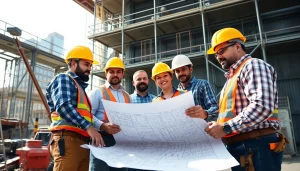
Effective communication among stakeholders is vital for the success of any construction project. Utilizing collaborative technologies and regular meetings can enhance transparency and accountability, allowing for quick decision-making and problem-solving. Establishing a unified project team with clear roles and responsibilities contributes to smoother workflows and successful outcomes.
Measuring Performance in Structural Steel Construction
Project Timeline and Cost Efficiency
Measuring the performance of structural steel construction involves evaluating project timelines and budget adherence. Key performance indicators (KPIs) such as schedule variance and cost performance index provide insights into project efficiency. Employing effective project management techniques can help in tracking progress, allowing teams to identify potential delays and allocate resources effectively.
Quality Assurance Techniques
Quality assurance is integral to maintaining high standards in structural steel construction. Implementing rigorous inspection processes, conducting materials testing, and enforcing compliance with engineering specifications all contribute to ensuring the final product meets safety and performance criteria. Continuous improvement practices and feedback loops can enhance the overall quality management system.
Optimizing Processes for Future Projects
Gleaning insights from completed projects is essential for continuous improvement. Conducting post-project evaluations allows teams to identify successful strategies and areas for improvement. Implementing lessons learned into future projects can lead to refined processes, better resource management, and ultimately, enhanced outcomes in structural steel construction endeavors.