What is a Warehouse?
Definition and Purpose
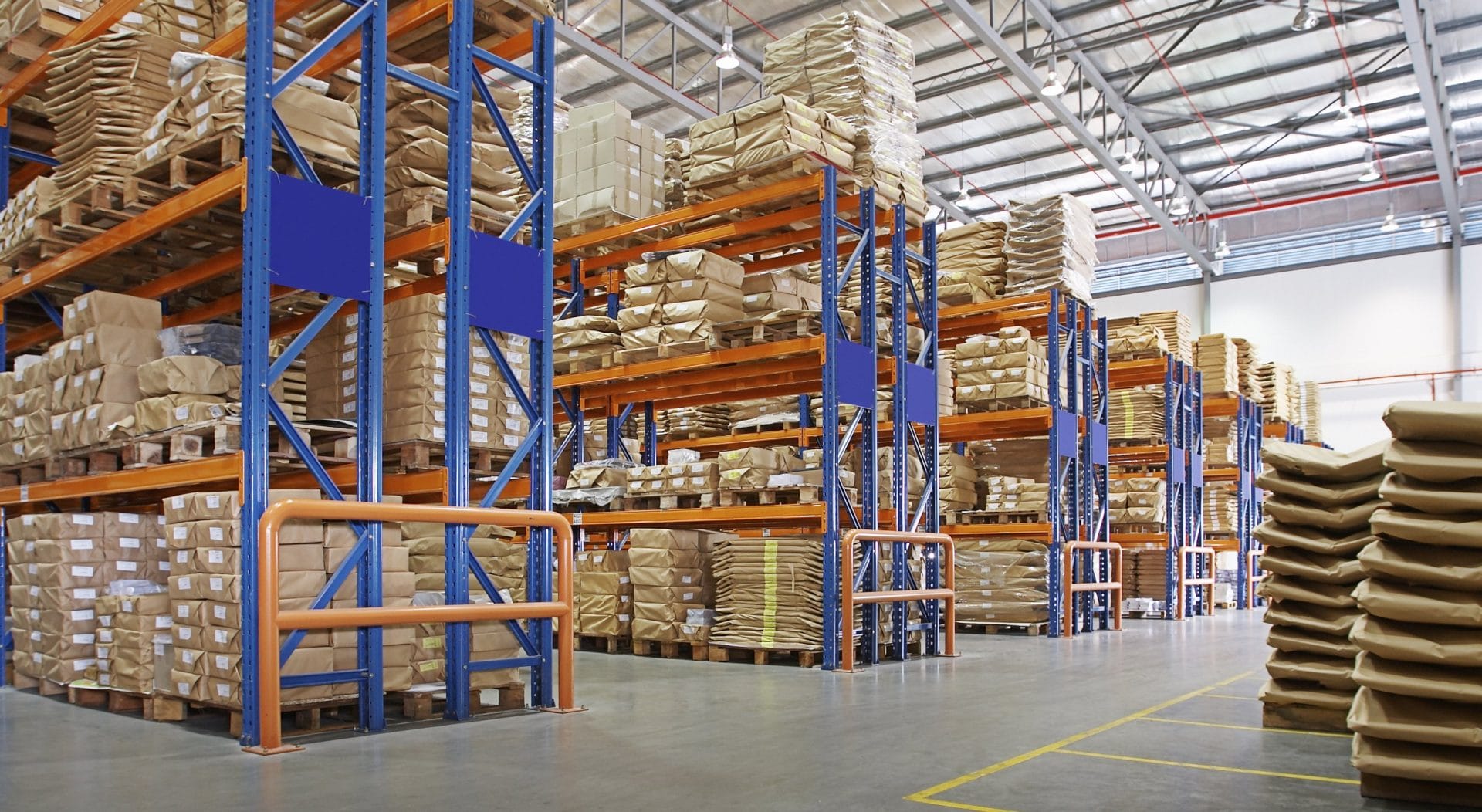
A warehouse is a large building designed for the storage of goods. It plays a pivotal role in the supply chain, serving as a space for manufacturers, retailers, and distributors to keep their products before they reach their final destination. Essentially, a warehouse is the backbone of logistics management, facilitating the storage, handling, and distribution of goods on a large scale. As per Warehouse operations, effective management is vital to ensure efficient supply chain flows.
Types of Warehouses
There are several types of warehouses, each catering to specific needs:
- Traditional Warehouses: These are large, simple structures primarily used for storage.
- Distribution Centers: Focused on fast inventory turnover, these are strategically located to expedite shipping.
- Climate-Controlled Warehouses: Used for storing perishable goods requiring temperature regulation, such as food products or pharmaceuticals.
- Fulfillment Centers: Specializing in delivering goods directly to customers, these play a crucial role in e-commerce operations.
- Smart Warehouses: Equipped with advanced technology, including automation and IoT, to enhance efficiency in storage and retrieval operations.
Warehouse Layout Design
The layout of a warehouse is critical for smooth operations, focusing on optimizing space and workflow. Key design elements include:
- Receiving Area: A designated space for unloading incoming goods.
- Storage Space: Configurations can include pallet racks, shelving, or bin systems, designed to maximize vertical storage and minimize wasted space.
- Picking Area: Optimally located for speedy item retrieval.
- Shipping Area: Often adjacent to the receiving area, it facilitates seamless outgoing logistics.
Careful planning in these areas contributes to enhanced productivity and reduced operational costs.
The Role of Warehouses in Supply Chain Management
Inventory Management Solutions
Effective inventory management is critical to maintaining competitive advantage in the marketplace. Warehouses utilize various techniques such as:
- Just-in-Time (JIT): Minimizing the amount of inventory on hand, relying on rapid replenishment from suppliers.
- ABC Analysis: Categorizing inventory based on importance (A being the most critical items).
- Cycle Counting: Conducting regular audits to ensure inventory accuracy.
These strategies aid in minimizing stockouts and overstock situations, leading to cost efficiencies.
Distribution and Fulfillment Centers
Distribution centers streamline the supply chain by reducing the time goods spend in transit. These centers are designed for efficient order picking and sorting, contributing to faster delivery times. For instance, automation technologies like conveyor belts and pick-to-light systems can considerably speed up the distribution process.
Just-in-Time Delivery Systems
As companies increasingly adopt Just-in-Time (JIT) delivery, warehouses must be agile in their operations. JIT minimizes inventory holding costs and necessitates that warehouses preload information about incoming shipments and outgoing orders. It requires advanced planning and communication systems to ensure synchronization across the supply chain.
Best Practices for Warehouse Operations
Safety Protocols and Compliance
Ensuring the safety of workers and compliance with regulations is paramount in warehouse operations. Some best practices include:
- Regular Training: Workers should receive frequent training on operational safety and equipment handling.
- Housekeeping Practices: Keeping the workspace clean and organized reduces hazards.
- Signage and Protocols: Clear signs should indicate safety zones, and protocols should be in place for emergency situations.
Technology Integration in Warehousing
Incorporating technology streamlines warehouse management. Innovations include:
- Automated Guided Vehicles (AGVs): Used for transporting goods within the warehouse.
- RFID Systems: Improve inventory accuracy and track products in real-time.
- Warehouse Management Software (WMS): Centralizes operations, monitoring stock levels, picking accuracy, and overall efficiency.
Adopting these technologies can lead to substantial efficiency gains, thereby impacting the bottom line positively.
Warehouse Management Systems (WMS)
A WMS is crucial for ongoing warehouse operations. It manages processes such as:
- Order Processing: Automating order flows from receipt to shipping.
- Inventory Tracking: Maintaining accurate records of stock levels and locations.
- Reporting and Analytics: Offering insights into operational performance and inventory turnover rates.
By leveraging WMS, warehouses can increase efficiency and enhance customer satisfaction through timely and accurate deliveries.
Challenges Facing Modern Warehousing
Labor Shortages in the Warehouse Industry
Many warehouses face challenges in staffing due to labor shortages. Reasons include an aging workforce and rising wages making it harder to attract new talent. Solutions to combat this include:
- Enhanced Compensation Packages: Offering competitive wages and benefits.
- Training Programs: Providing employees with opportunities for professional development.
Adapting to E-commerce Demands
The rise of e-commerce has drastically changed warehousing needs, as consumers expect faster deliveries. Warehouses are increasingly adapting by:
- Establishing Fulfillment Centers: Positioned closer to customers to speed up delivery times.
- Investing in Technology: To increase efficiency in processing a higher volume of smaller orders.
Maintaining Efficient Supply Chains
With global disruptions occurring more frequently, warehouses must maintain flexibility in their supply chains. Tactics for achieving this include:
- Diverse Supplier Networks: Mitigating risks by not relying on a single source for materials.
- Inventory Buffering: Maintaining a safety stock of critical items to accommodate supply chain disruptions.
Future Trends in Warehousing
Automation and Robotics
The future of warehousing will heavily rely on automation and robotics. Automated systems can increase productivity while minimizing human error. Examples of current automation solutions include conveyor systems, autonomous mobile robots (AMRs), and robotic arms for picking and packing.
Sustainable Warehousing Practices
With an increasing focus on environmental responsibility, sustainable warehouse practices are becoming a norm. Strategies include:
- Energy-Efficient Lighting: Switching to LED systems to reduce energy consumption.
- Warehouse Design: Utilizing eco-friendly materials in construction and design for optimal energy efficiency.
The Impact of Artificial Intelligence on Warehousing
Artificial Intelligence (AI) is revolutionizing warehouse management by enabling predictive analytics for inventory management and enhancing decision-making processes. AI can analyze patterns in product demand to forecast needs, thus improving overall operational efficacy.