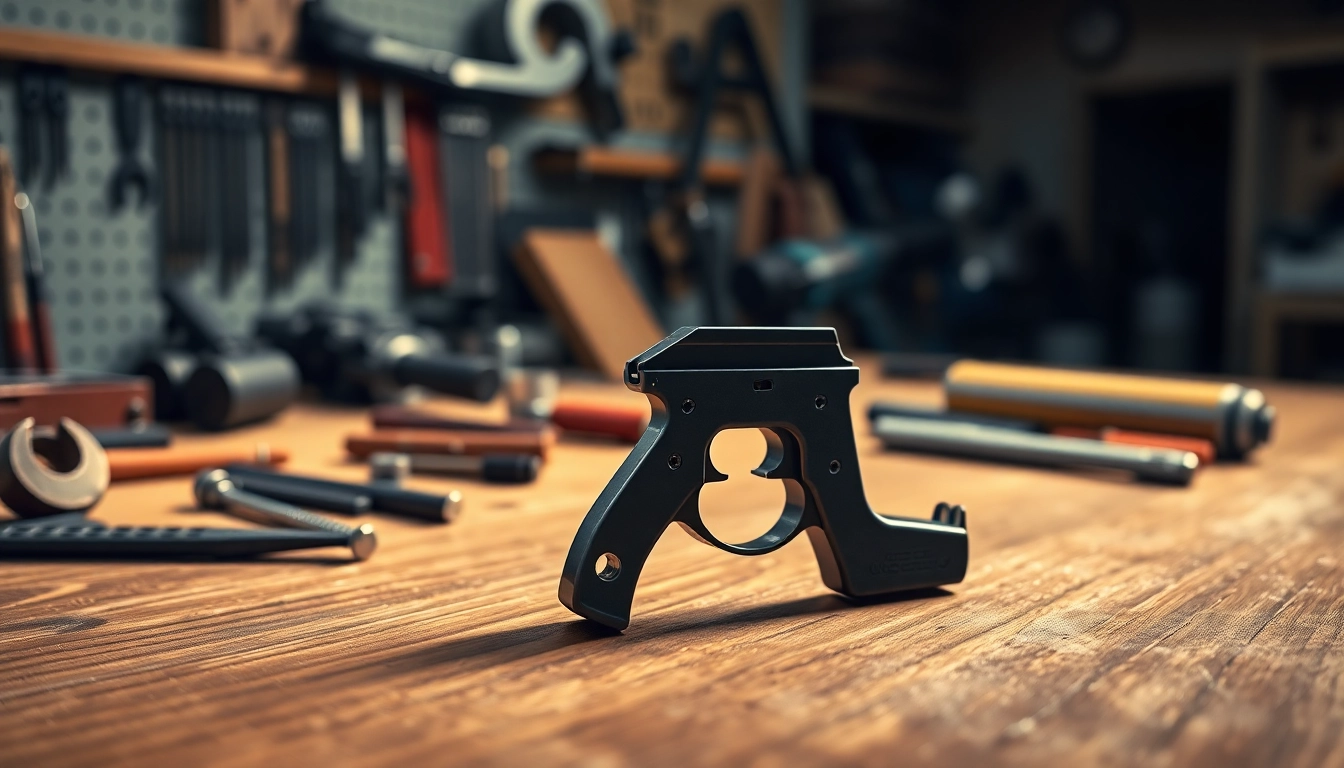
Understanding the Importance of AR9 Trigger Selection
When building or upgrading a firearm, particularly a pistol caliber carbine (PCC) like the AR9, selecting the appropriate trigger is critical to enhancing both performance and shooting experience. The right ar 9 trigger not only improves accuracy and response time but also significantly influences the overall handling of the firearm. This article dives deep into various aspects of AR9 triggers, from their importance to installation tips, guiding you toward making informed choices that will elevate your shooting performance.
What is an AR9 Trigger?
An AR9 trigger is a specialized fire-control component designed specifically for use in AR9 pistol caliber carbines, accommodating 9mm ammunition. Unlike traditional AR-15 triggers, AR9 triggers are engineered to harness the blowback mechanisms and unique timing of PCC systems. This customization ensures reliable performance, helping shooters achieve consistent results over time.
Why Trigger Quality Matters
The quality of the trigger can make or break your shooting experience. A high-quality AR9 trigger provides a smoother pull, reduces reset time, and enhances overall accuracy. Conversely, a poorly manufactured trigger can lead to issues such as inconsistent pull weight and travel, resulting in diminished accuracy and handling. Thus, understanding the importance of quality in trigger selection is essential for anyone seeking to maximize their shooting performance.
Common Issues with AR9 Triggers
Many shooters encounter problems with their AR9 triggers, which can be attributed to various factors such as inadequate installation, compatibility issues, and design flaws. Common issues include:
- Heavy Pull Weight: Excessive force required to pull the trigger, leading to fatigue and reduced accuracy.
- Long Reset Distance: Triggers that do not reset quickly can result in slower follow-up shots.
- Inconsistent Pull Quality: Variability in pull smoothness can disrupt bead alignment, causing missed shots.
- Compatibility Issues: Using triggers designed for standard AR setups can cause functionality problems.
Types of AR9 Triggers Available
Single-Stage vs. Two-Stage Triggers
Triggers come in two primary designs: single-stage and two-stage triggers. Single-stage triggers boast a direct pull, activating the firing mechanism in one smooth motion. This simplicity often results in faster response times, making them a popular choice for competitive shooting.
Conversely, two-stage triggers incorporate an initial take-up movement followed by a definitive break. This mechanism allows for enhanced precision, as shooters can better control the trigger pull during critical shots. Each type has its advantages, and often, personal shooting style dictates preference.
Drop-in Triggers: Pros and Cons
Drop-in triggers offer the advantage of easy installation, making them an attractive option for many users. These triggers are pre-assembled and designed to fit directly into the fire-control group housing, eliminating the guesswork associated with traditional installations. However, drop-in triggers can sometimes be mismatched with specific lower receivers, leading to potential fit and function problems. Careful consideration of compatibility is essential when selecting a drop-in option.
Comparing Trigger Brands and Models
With a plethora of trigger brands on the market, each claims superiority. While personal preference plays a significant role, it can be beneficial to look at user reviews, specific user needs, and performance metrics when comparing various models. Evaluating factors such as reliability, construction material, and warranty can also inform purchasing decisions, ensuring that you obtain a high-performing AR9 trigger suited for your shooting style.
Factors to Consider When Choosing an AR9 Trigger
Material and Build Quality
The materials used in constructing an AR9 trigger hold significant weight in its overall performance and lifespan. High-quality triggers are typically made from hardened steel or durable aluminum alloys, promoting longevity and resistance to wear. Understanding the differences in materials can help you make an informed choice that aligns with your usage patterns.
Trigger Pull Weight and Travel
Trigger pull weight refers to the amount of force required to pull the trigger through its full range of motion. For most shooters, a pull weight between 3-5 pounds is ideal, providing the sensitivity needed for accurate shooting while preventing unintentional discharges. Additionally, the amount of travel (the distance the trigger moves before firing) can significantly affect performance. Shorter travel distances often result in faster follow-up shots and improved accuracy.
Compatibility with Your Firearm
Before purchasing a trigger, verifying its compatibility with your specific AR9 model is crucial. Many models are designed to work with specific types of lowers or configurations. Data and user guides can provide helpful insights, but proper research ensures that you choose a trigger that not only fits but also performs reliably with your firearm.
Installation and Maintenance Tips for AR9 Triggers
Step-by-Step Installation Guide
Installing an AR9 trigger can be straightforward if proper precautions are taken. Here is a general guideline for installation:
- Ensure the firearm is unloaded and remove the upper from the lower receiver.
- Remove the grip assembly and trigger guard to access the trigger group.
- Carefully remove the old trigger components.
- Install the new trigger following the manufacturer’s instructions, ensuring alignment and seating.
- Reassemble the lower receiver, replacing the grip and trigger guard.
- Perform functionality checks to ensure proper operation.
Routine Maintenance Practices
Regular maintenance extends the life and reliability of your AR9 trigger. Important practices include:
- Cleaning: Periodically clean the trigger assembly to remove debris and fouling that could impede function.
- Lubrication: Applying a light film of lubricant on moving parts helps reduce friction.
- Function Test: Perform regular function tests to verify that the trigger operates smoothly and effectively.
Troubleshooting Common Installation Issues
If you encounter issues during installation, consider the following troubleshooting tips:
- Check alignment: Ensure that the trigger is correctly aligned within the housing.
- Review fit: Confirm that the trigger does not protrude excessively or feel overly restricted.
- Revisit instruction: If problems persist, it may be worthwhile to refer back to the manufacturer’s installation guide.
Frequently Asked Questions about AR9 Triggers
What are the best AR9 trigger options?
Choosing the best trigger depends on your shooting style and purpose. Opt for triggers that are widely reviewed for accuracy, ease of use, and reliable performance. Always consider personal comfort preferences when selecting.
How do I know if my trigger is functioning properly?
A proper functioning trigger should pull smoothly without binding and reset quickly. Conduct routine function tests to check for any inconsistencies in pull weight or resistance.
What maintenance is required for AR9 triggers?
AR9 triggers require periodic cleaning and lubrication to maintain function. Regular function checks will help identify any issues early on, ensuring reliable operation.
Can I customize my AR9 trigger?
Yes, many AR9 triggers come with adjustable settings for pull weight and travel. Various aftermarket options allow for customization that fits your shooting style.
How does trigger pull affect accuracy?
A lighter, smooth trigger pull promotes better control and can enhance accuracy by enabling the shooter to focus on sights without unnecessary movement. Conversely, a heavy trigger can lead to flinching and reduced precision.