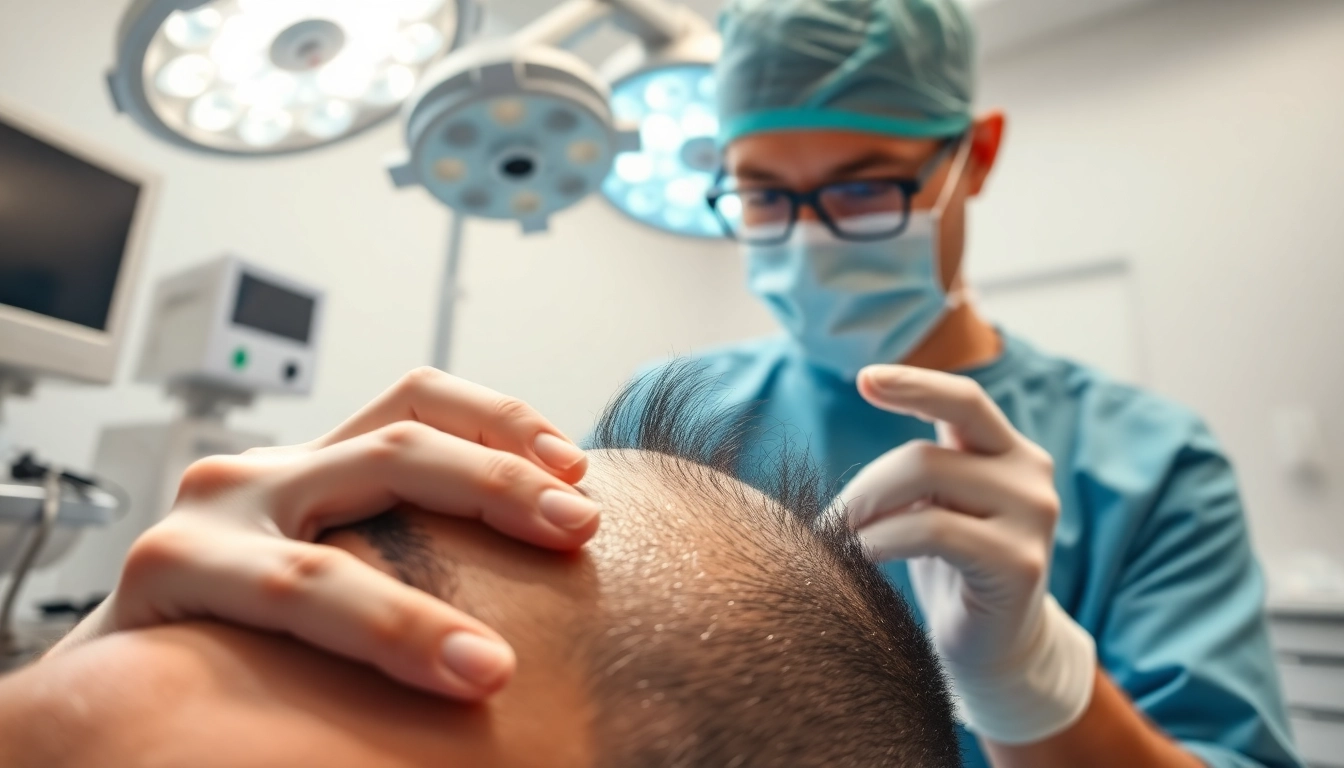
Understanding Hair Transplants: A Comprehensive Overview
Hair transplants have gained significant popularity as a solution for individuals suffering from hair loss. This highly effective surgical procedure is designed to restore natural hair density and improve overall appearance. In essence, a hair transplant involves transferring hair follicles from a donor site on the body to an area experiencing thinning or balding. This surgical technique has evolved considerably over the years, with innovations aimed at providing more efficient, effective, and aesthetically pleasing outcomes. This comprehensive guide will explore everything you need to know about hair transplants, including techniques, costs, preparation, recovery, and more.
What is a Hair Transplant?
Definition and Overview of Hair Transplant
A hair transplant is a surgical procedure that involves moving hair follicles from one part of the body, referred to as the donor site, to a balding or thinning area (recipient site). The most common forms of hair loss that result in patients seeking this procedure include androgenetic alopecia (pattern baldness) and other forms of alopecia. By redistributing hair follicles, individuals can achieve a fuller, more natural-looking hairline.
How Hair Transplant Works
The hair transplant process typically involves either Follicular Unit Transplantation (FUT) or Follicular Unit Extraction (FUE). In FUT, a strip of skin containing hair follicles is removed from the donor area and subsequently dissected into smaller grafts for placement in the recipient area. In contrast, FUE involves harvesting individual follicular units directly from the donor site using a specialized extraction tool. Both techniques have their pros and cons, which we will explore in more detail in the following sections.
Benefits of Choosing Hair Transplant
One of the primary benefits of undergoing a hair transplant is its durability; the results are generally permanent, distinguishing it from non-surgical alternatives such as medications or topical treatments. Additionally, hair transplants provide a natural look because the hair follicles are taken from the patient’s own scalp. This minimization of risk for rejection contributes to higher success rates. Furthermore, with advancements in techniques and technology, patients can expect reduced recovery times and minimal scarring.
Types of Hair Transplant Techniques
FUT vs FUE: Key Differences
The choice between FUT and FUE largely depends on individual preferences, hair loss severity, and specific patient conditions. FUT, also known as the strip method, allows the surgeon to treat large areas of hair loss in one session, making it suitable for patients with extensive thinning. However, it may leave a linear scar. On the other hand, FUE is less invasive, involves no linear scar, and can provide excellent density but may require multiple sessions for extensive hair restoration.
Choosing the Right Technique for Your Needs
Choosing the appropriate hair transplant technique can involve various factors, including the size of the balding area, the patient’s hair characteristics, scalp laxity, and personal goals. Consulting with an experienced surgeon will help determine the most suitable method. A detailed examination of the patient’s hair loss pattern and scalp condition will lead to a tailored approach, ensuring maximum satisfaction with the results.
Innovations in Hair Transplant Technology
Recent advancements in hair transplant technology have significantly improved the efficiency and effectiveness of procedures. For instance, robotic-assisted FUE has emerged, which utilizes advanced algorithms to enhance the precision of follicle extraction. Additionally, techniques like Platelet-Rich Plasma (PRP) therapy are being integrated into pre-and post-operative care, promoting quicker healing and better hair growth outcomes.
Hair Transplant Costs: What to Expect
Factors Affecting Hair Transplant Pricing
The cost of a hair transplant can vary widely based on numerous factors. These include the geographical location of the clinic, the surgeon’s level of experience, the technique employed, and the amount of grafts required. Additionally, the state of the patient’s hair loss can also influence the pricing, as more extensive cases may necessitate greater resources and time for treatment.
Cost Comparisons: Different Techniques
On average, FUT tends to be less expensive than FUE, as FUT can treat larger areas at once. However, it’s essential to note that while upfront costs may be higher for FUE, the long-term benefits, such as reduced scarring and recovery time, may justify the additional expense. Patients should evaluate both the short-term and long-term costs associated with each technique when making their decision.
Financing Options for Hair Transplant
Many clinics offer financing options to help patients manage the costs of hair transplant procedures. Options may include payment plans, medical credit cards, or partnering with financial institutions that provide loans specifically for cosmetic procedures. It is advisable for patients to inquire about available financing solutions when consulting with potential clinics.
Preparing for a Hair Transplant
Initial Consultation: What to Discuss
The initial consultation is a vital step in the hair transplant process. During this meeting, patients should discuss their medical history, hair loss patterns, and aesthetic goals with the surgeon. This interaction allows the surgeon to present a customized treatment plan and outline realistic expectations regarding the procedure’s outcomes.
Preoperative Instructions
Preparation for a hair transplant can involve several instructions, such as avoiding certain medications, reducing alcohol consumption, and refraining from smoking before the surgery. Patients may also be advised to wash their hair thoroughly the night before the operation and avoid any styling products on the day of the procedure to ensure a clean surgical area.
Setting Realistic Expectations
Setting realistic expectations is crucial for patient satisfaction. While hair transplants can produce significant results, they require time to fully reveal their effects. Patients should be aware that the full outcome may take up to 12 months, and initial shedding of transplanted hair shortly after the surgery is typical. Honest discussions with the surgeon can help mitigate any misunderstandings.
Aftercare and Recovery from Hair Transplant
Postoperative Care Guidelines
After undergoing a hair transplant, patients will receive specific aftercare instructions to follow. This often includes guidelines for scalp hygiene, pain management, and restrictions on physical activity. It is vital for patients to adhere to these guidelines closely to optimize healing and promote successful hair growth.
Managing Pain and Discomfort
Although hair transplants are generally well-tolerated, some discomfort is common during the initial recovery period. Surgeons typically prescribe pain relievers to manage discomfort, and patients are advised to keep their head elevated to reduce swelling. Most postoperative pain resolves within a few days, allowing patients to resume normal activities relatively quickly.
Monitoring Growth and Outcomes
Regular follow-up appointments are essential for monitoring hair growth progress after the transplant. Patients can expect to see initial growth starting around three to six months post-surgery, with final results observable around 12 months. Surgeons may assess the patient’s response to the transplant and determine if further corrective procedures are necessary.
Frequently Asked Questions
How painful is a hair transplant?
The procedure typically does not cause significant pain, as local anesthesia is used to numb the scalp. Patients may feel slight pressure or discomfort but can manage postoperative pain with over-the-counter medication.
Is hair transplant always successful?
Hair transplants boast a success rate of over 90%. However, individual results can vary based on factors such as hair loss severity, surgical technique, and the patient’s unique response to the procedure.
What are the side effects of hair transplant?
Common side effects may include swelling, itching, and minor numbness in the scalp. Most of these effects are temporary and resolve within a few weeks after the procedure.
When can I see results from my hair transplant?
Results typically begin to emerge around three to six months post-surgery. Full recovery and optimal hair growth may take up to 12 months, so patience is key during this period.
Can women also undergo hair transplant?
Yes, hair transplants are suitable for women experiencing hair loss, particularly those with thinning hair or patterns of alopecia. It’s essential to consult with a specialist to explore available options.