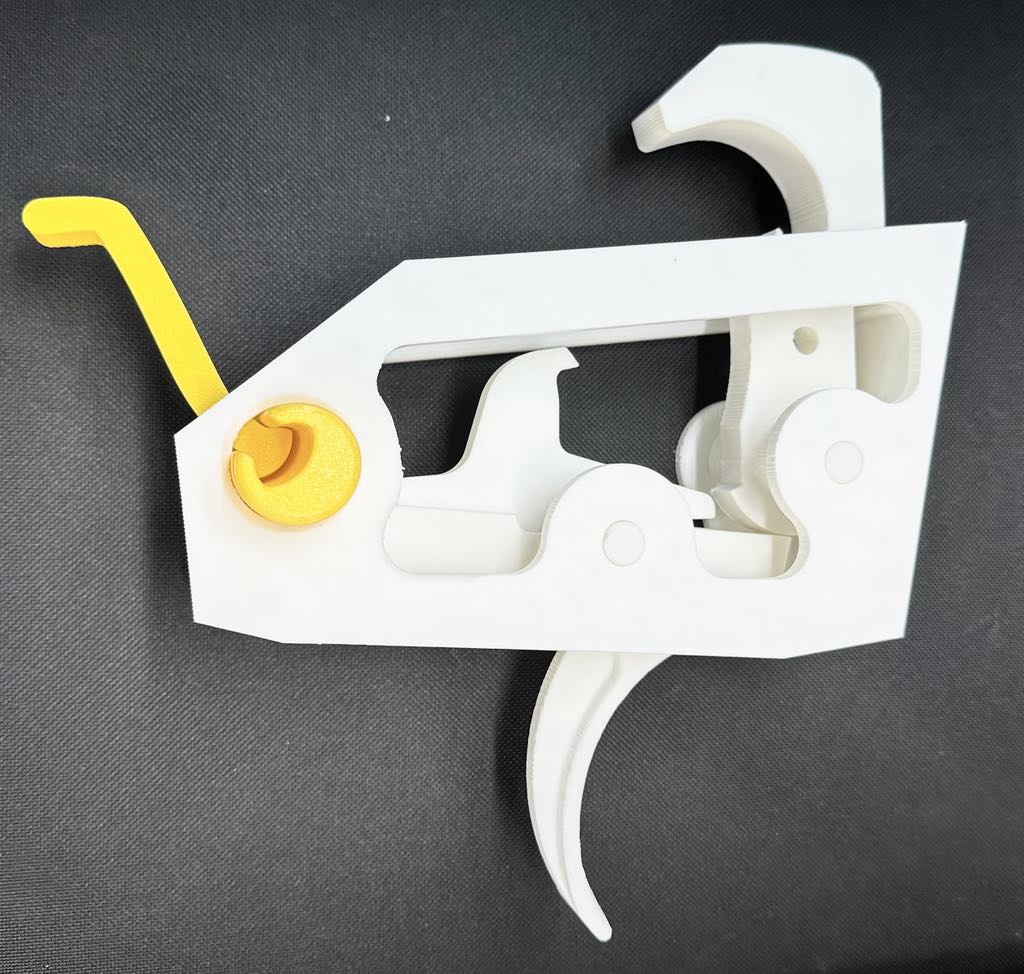
Installing aftermarket Ar triggers can dramatically improve the performance of your AR-15 rifle. However, many gun owners make common mistakes during the installation process, which can compromise the firearm’s safety, reliability, and functionality. Understanding these pitfalls can help you install your AR triggers correctly and enjoy a smoother, more consistent trigger pull.
Not Researching the Right Trigger for Your AR
One of the first mistakes people make is not researching which AR triggers are compatible with their rifle. Not all aftermarket triggers fit every AR-15 model. Differences in lower receivers, trigger pins, and safety selectors can affect the installation. Failing to choose a compatible trigger may result in improper function or even damage to your firearm. Always consult manufacturer specifications before purchasing AR triggers.
Ignoring Safety Precautions
AR triggers involve critical firearm components, and neglecting safety precautions is a significant mistake. Many users fail to clear the firearm before starting the installation. Ensure your rifle is unloaded, with no magazine inserted and the chamber clear. Wearing safety glasses and following safe handling practices is essential when working with AR triggers. A moment of carelessness can lead to serious accidents.
Using Incorrect Tools
Using the wrong tools is a frequent issue during AR trigger installation. Many people attempt to force parts into place with improper tools, which can damage the trigger or lower receiver. Professional AR triggers often require precision tools like roll pin punches, small hammers, or armorer’s wrenches. Investing in the right tools ensures that your AR triggers are installed smoothly and function correctly.
Overlooking Trigger Pin Alignment
Misalignment of trigger pins is a common problem. If the pins are not seated correctly, the trigger may bind or fail to reset properly. This can lead to unreliable firing or even accidental discharge. Careful attention to the orientation and alignment of each component during installation is crucial to avoid issues with your AR triggers.
Neglecting Lubrication
Another common mistake is neglecting lubrication. AR triggers require proper lubrication to function smoothly. Skipping this step can result in a gritty trigger pull or premature wear of internal parts. Use a small amount of gun oil on the contact points, but avoid excessive lubrication that could attract dirt or debris. Proper care helps maintain the performance of your AR triggers over time.
Improper Spring Installation
Springs in AR triggers are small but essential. Incorrect spring installation can lead to light or heavy trigger pulls, inconsistent resets, or failure to fire. Many users overlook the importance of correctly orienting and seating the springs. Always follow the manufacturer’s instructions to ensure the springs in your AR triggers are installed properly.
Forcing Parts Together
Forcing parts into place is another mistake that can occur during installation. Every piece in AR triggers is designed to fit with precision. Forcing components can damage pins, levers, or the housing, which may compromise the trigger’s functionality. Gentle, precise assembly ensures that your AR triggers operate smoothly and safely.
Skipping Function Testing
Failing to test your AR triggers after installation is a serious oversight. Function testing allows you to ensure the trigger resets correctly, the safety works, and the rifle fires reliably. Skipping this step may result in an unsafe firearm. Always perform dry-fire tests and, if possible, live-fire tests in a safe environment to confirm the installation is successful.
Ignoring Manufacturer Instructions
Many problems arise from ignoring manufacturer instructions. Every aftermarket trigger comes with specific guidance for installation and adjustment. Ignoring these instructions can lead to performance issues or damage. Take time to read and follow all directions when installing AR triggers to avoid costly mistakes.
Improper Adjustment of Trigger Pull
AR triggers often allow for pull weight adjustment. A common mistake is setting the trigger pull too light or too heavy without understanding the firearm’s requirements. An improperly adjusted trigger can result in accidental discharge or poor shooting accuracy. Adjust your AR triggers gradually and test after each adjustment to achieve the ideal pull weight.
Failing to Maintain the Trigger After Installation
Finally, neglecting ongoing maintenance is a frequent error. Even properly installed AR triggers require cleaning and inspection over time. Dirt, debris, and carbon buildup can affect performance. Regularly clean, lubricate, and inspect your AR triggers to ensure consistent operation and longevity.
Conclusion
Installing aftermarket AR triggers can enhance your shooting experience, but avoiding common mistakes is crucial. From selecting the correct trigger and using proper tools to careful installation and regular maintenance, every step matters. By following best practices, you can enjoy the full benefits of your AR triggers safely and reliably. Avoiding these errors ensures smooth operation, consistent performance, and a safer shooting experience.