
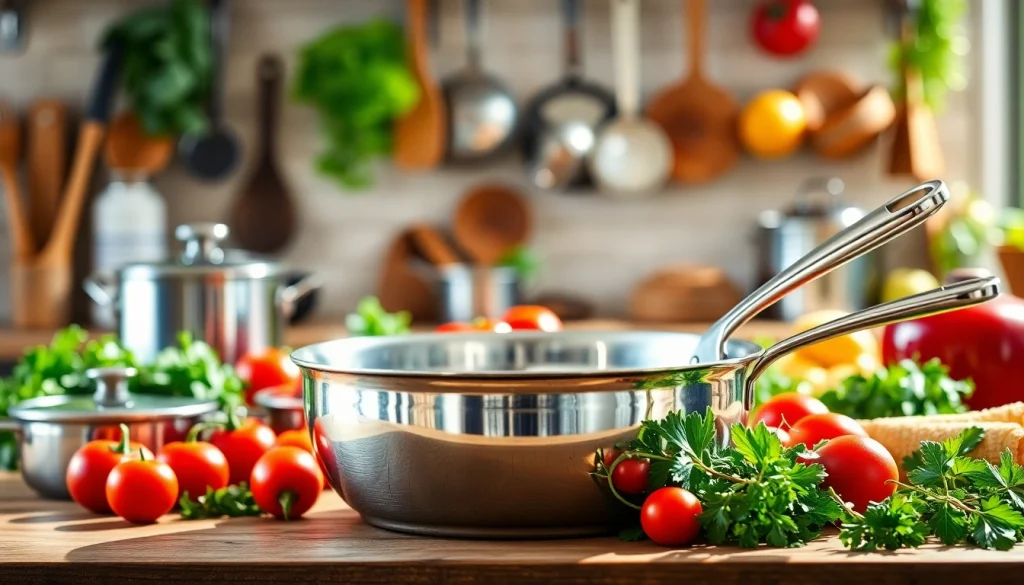
Understanding Cookware: Types and Materials
Cookware is indispensable in any kitchen, serving as the vessel for preparing a wide variety of dishes. Understanding the types and materials of cookware can significantly enhance your cooking experience. Selecting the appropriate cookware can influence not just how meals are made but also the flavors and textures that emerge from your culinary endeavors. Cookware comes in multiple forms, each designed for specific tasks and cooking techniques.
Essential Cookware Types for Every Kitchen
There are several fundamental types of cookware that every home chef should consider. Each type has its unique purpose and advantages:
- Saucepans: Ideal for boiling, simmering, and preparing sauces, they come in various sizes, making them versatile for both small and large quantities.
- Skillets or Frying Pans: Perfect for frying, sautéing, and browning foods, these pans feature a flat cooking surface with low sides and sometimes come with a non-stick coating.
- Stockpots: Essential for making soups, stocks, and pasta, stockpots are large and deep, allowing for substantial quantities.
- Dutch Ovens: These heavy pots are perfect for slow-cooking, braising, and baking. They retain heat exceptionally well and can often be used on the stovetop or in the oven.
- Griddles: With a large flat surface, griddles are great for cooking pancakes, sandwiches, or any other food that needs ample cooking area.
Material Matters: Choosing the Right Cookware
The material of your cookware plays a significant role in heat conduction, durability, and the ease of use in the kitchen. Here’s a look at some common materials:
- Stainless Steel: Renowned for its durability, stain resistance, and non-reactive surface, stainless steel cookware is an all-purpose option that distributes heat evenly.
- Non-Stick: Ideal for low-fat cooking, non-stick pans reduce the need for oil and are perfect for delicate foods like eggs. However, they require careful handling to avoid scratching.
- Cast Iron: Excellent for heat retention, cast iron cookware is great for high-temperature cooking and searing. It can also add a unique flavor to dishes when properly seasoned.
- Copper: Known for its superior heat conductivity, copper cookware allows for precise temperature control, making it ideal for professional chefs.
- Carbon Steel: Similar to cast iron but lighter, carbon steel cookware is favored for its quick heating capabilities and ability to develop a non-stick surface when seasoned.
Benefits of High-Quality Cookware
Investing in high-quality cookware can yield numerous benefits:
- Durability: Good cookware withstands the wear and tear of daily use, thus saving money in the long run due to fewer replacements.
- Better Cooking Results: High-quality materials ensure even heating, which helps achieve better results.
- Health Benefits: Quality cookware, especially non-reactive options, can prevent leaching of harmful substances into food, promoting healthier cooking.
- Enhanced Cooking Experience: The right tools can make cooking more enjoyable, allowing chefs to focus on creativity and technique.
The Best Practices for Caring for Your Cookware
Caring for cookware properly prolongs its life and maintains performance. The following practices ensure optimal maintenance across different materials:
Cleaning Techniques for Different Materials
Different materials require specific cleaning techniques to avert damage:
- Stainless Steel: Clean with warm soapy water and a non-abrasive sponge. For tough stains, use a mixture of vinegar and baking soda.
- Non-Stick: Always use soft sponges and mild detergents. Avoid metal utensils to preserve the surface.
- Cast Iron: Clean with water and a stiff brush. Avoid soap, and re-season after each use to maintain non-stick properties.
- Copper: Wipe with a damp cloth after use and polish regularly to maintain its shine.
How to Store Your Cookware Properly
Proper storage can prevent scratching or warping. Here are some effective methods:
- Use lid organizers for easy access and to prevent scratching.
- Stack pots and pans with paper towel separators to avoid surface damage.
- Install a hanging rack to save space and allow airflow between pieces.
Recognizing Signs of Wear and Maintenance Tips
Understanding when cookware needs care or replacement is essential:
- Non-Stick Damage: If the coating begins to peel, it’s time for a replacement.
- Warped Pans: If a pan wobbles or doesn’t sit flat on the stove, consider replacing it, as uneven heating can occur.
- Stains and Scratches: Persistent stains or scratches on non-stick cookware may compromise safety and performance.
Cooking Techniques Enhanced by the Right Cookware
Using the right cookware elevates your cooking techniques, allowing for better results and more creativity:
Best Cooking Methods for Different Cookware
Each type of cookware is suited to specific cooking methods:
- Sauteing: Best achieved in stainless steel or non-stick skillets.
- Slow Cooking: Ideal in Dutch ovens or heavy-bottomed stockpots for even heat distribution.
- Baking: Use cast iron or ceramic pans for even cooking and excellent crust formation.
Achieving Optimal Heat Distribution
Effective cooking relies on even heat distribution, achievable with quality materials:
- Choose cookware with a thick base for uniform heating.
- Use flat surfaces and ensure proper pan size for the burner to maximize heating efficiency.
Experimenting with Advanced Culinary Techniques
High-quality cookware allows home chefs to delve into sophisticated culinary methods:
- De-glazing: Perfect with stainless steel pans to create rich sauces.
- Confit: Easily achievable in cast iron through slow cooking.
- Stir-frying: Best approached with carbon steel woks for high heat and swift cooking.
Eco-Friendly Cookware Options: A Sustainable Choice
Amidst a growing focus on sustainability, eco-friendly cookware options emerge as a viable choice for conscientious consumers:
Benefits of Using Sustainable Cookware
Choosing eco-friendly cookware offers several advantages:
- Reduced Environmental Impact: Many options use recyclable or responsibly sourced materials.
- Healthier Cooking: Non-toxic cookware minimizes exposure to harmful substances commonly found in traditional cookware.
Popular Eco-Friendly Cookware Materials
Here are some popular sustainable cookware materials:
- Bamboo: Lightweight and naturally anti-bacterial, bamboo options are growing in popularity.
- Recycled Aluminum: Offers durability with a reduced carbon footprint.
- Ceramic: Often free from harmful chemicals, ceramic cookware is safe and stylish.
How to Transition to Sustainable Cookware
Switching to eco-friendly cookware is straightforward:
- Start by assessing your current collection; replace worn-out pieces with sustainable alternatives.
- Research brands that prioritize eco-friendly production practices.
- Embrace local artisans or manufacturers that focus on sustainable materials.
Frequently Asked Questions About Cookware
What is the best material for cookware?
Stainless steel is favored for its durability, non-reactive surface, and even heating properties, making it a versatile choice.
How do I prevent food from sticking to cookware?
Proper preheating and adequate oil usage can prevent sticking. Non-stick coatings also offer this benefit for delicate foods.
Can I use metal utensils on all types of cookware?
No, avoid metal utensils on non-stick cookware to prevent damage; opting for wooden or silicone utensils is safer.
What are the signs my cookware needs to be replaced?
Look for warping, scratches, or rust. These indicators suggest it’s time to replace cookware for safety and proper performance.
Is it worth investing in high-end cookware?
Yes, quality cookware enhances cooking performance and longevity, providing better value over time.