
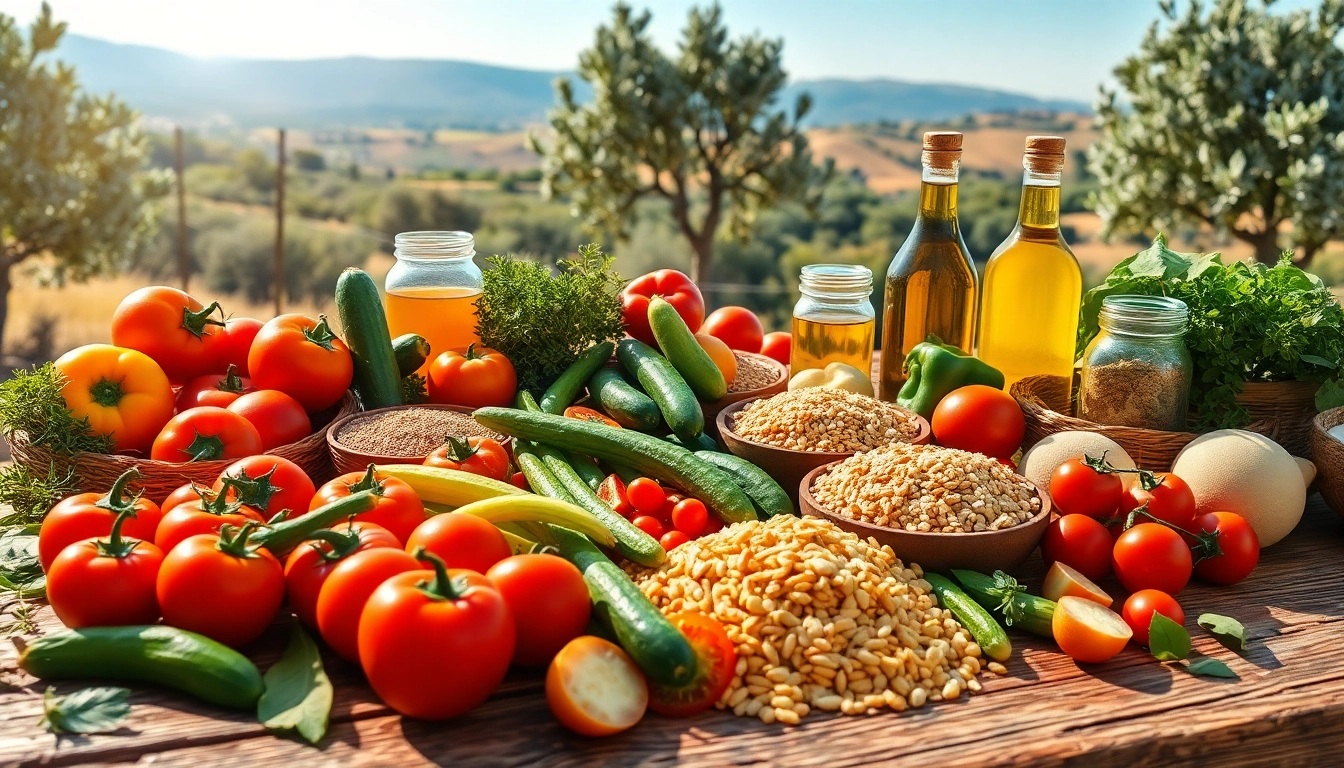
Understanding the Mediterranean Diet
The mediterranean diet stands as a paragon of healthy eating, known for its rich flavors and diverse food choices. Originating from the traditional dietary patterns of countries bordering the Mediterranean Sea, it emphasizes whole, unprocessed foods that nourish the body while also being pleasurable to the palate. This article elaborates on the fundamental concepts of the Mediterranean diet, its myriad health benefits, and practical steps to seamlessly incorporate it into your life.
What is the Mediterranean Diet?
The Mediterranean diet is more than just a diet; it is a lifestyle that prioritizes balance, moderation, and enjoyment of food. It focuses on the consumption of a wide variety of plant-based foods, promoting health through nutritional diversity. The primary components include fruits, vegetables, whole grains, legumes, nuts, olive oil, and fish, while traditionally limiting red meat, processed foods, and high-sugar items.
Core Components of the Mediterranean Diet
- Fruits and Vegetables: A cornerstone of the Mediterranean diet, these foods provide essential vitamins, minerals, and antioxidants that boost overall health.
- Whole Grains: Foods such as whole wheat bread, brown rice, and oats are favored for their fiber and nutrient content, aiding in digestion and providing sustained energy.
- Healthy Fats: Extra virgin olive oil is the primary fat source, celebrated for its heart-healthy monounsaturated fats.
- Lean Proteins: Fish and poultry are preferred over red meat, offering high-quality protein sources without excessive saturated fats.
- Legumes and Nuts: These are high in protein and fiber, making them excellent meat substitutes, and contributing to heart health.
- Dairy: Moderate amounts of dairy, primarily from cheese and yogurt, play a role in calcium intake, adding flavor as well.
The Health Benefits of the Mediterranean Diet
Numerous studies have linked the Mediterranean diet to various health benefits, making it one of the most recommended dietary patterns worldwide. Some of these benefits include:
- Heart Health: The diet has been shown to reduce the risk of cardiovascular disease by promoting heart-healthy fats and lowering cholesterol levels.
- Weight Management: Its emphasis on whole foods and portion control helps in maintaining a healthy weight.
- Colorectal Cancer Prevention: The high intake of fiber-rich foods aids in digestion and may play a role in preventing certain cancers.
- Enhanced Brain Function: Certain components, such as omega-3 fatty acids found in fish, support cognitive function and reduce the risk of Alzheimer’s disease.
How to Start the Mediterranean Diet
Beginning the Mediterranean diet may seem daunting, but it primarily involves making conscious food choices rather than strict dieting rules. Here are practical steps to ease into this lifestyle.
Creating Your Meal Plan
A well-structured meal plan can make the transition smoother. Start with a variety of seasonal fruits and vegetables, focus on whole grains for your carbohydrate sources, and incorporate fish as a main protein option at least twice a week. Consider the following tips for meal planning:
- Incorporate a salad rich in greens, nuts, and a drizzle of olive oil at the beginning of each meal.
- Experiment with whole grain pasta or brown rice paired with grilled vegetables and lean protein.
- Plan to enjoy legumes in your meals; lentil soup or chickpeas with vegetables can be flavorful highlights.
Shopping List Essentials for the Mediterranean Diet
Stocking your pantry with the right foods will facilitate your entry into the Mediterranean lifestyle. Create a shopping list that includes:
- Fresh fruits and vegetables
- Whole grains like brown rice, quinoa, and whole wheat pasta
- Legumes, including beans, lentils, and chickpeas
- Nuts and seeds, such as almonds and chia seeds
- Extra virgin olive oil for cooking and dressings
- Low-fat dairy products like yogurt and cheese
- Fish, particularly fatty types like salmon and sardines
Cooking Techniques to Boost Flavor
Cooking methods are essential in maximizing the Mediterranean diet's flavors and health benefits. Some key techniques include:
- Roasting: Enhances the natural sweetness of vegetables and creates rich flavors.
- Grilling: A healthy alternative that adds a smoky flavor without additional fats.
- Sautéing: Using olive oil to sauté vegetables and proteins allows for quick cooking while preserving nutrients.
Navigating Common Challenges
Transitioning to the Mediterranean diet can present challenges, but understanding potential pitfalls and solutions can ease the process.
Overcoming Initial Hurdles in Adopting the Mediterranean Diet
One of the most common challenges is adapting to a new way of eating, which may include cravings for processed foods. To combat this, introduce Mediterranean foods gradually, allowing your palate to adjust while still enjoying familiar flavors.
Dealing with Cravings and Transitioning Your Palate
If you find yourself craving non-Mediterranean foods, try to replicate those flavors using healthier alternatives. For example, if you enjoy creamy sauces, a yogurt-based or olive oil dressing can provide a similar richness with fewer calories.
Social Situations and Enjoying Meals Out
Dining out presents another unique challenge. Choosing Mediterranean-inspired dishes at restaurants—such as salads, fish, and whole grain options—is key. Do not hesitate to request modifications according to the Mediterranean principles.
Real-Life Success Stories
Hearing from individuals who have successfully transitioned to the Mediterranean diet can be incredibly motivating. Here we share a couple of inspiring case studies.
Case Studies on the Impact of the Mediterranean Diet
Many people have reported improvements in their health markers, including weight loss, lower cholesterol, and increased energy levels after adopting the Mediterranean diet. One case study documented a woman who, after six months on the diet, experienced significant weight loss and a marked decrease in her blood pressure, highlighting the effectiveness of this nutritional approach.
Interviews with Individuals Who Transformed Their Health
Interviews reveal that the most common themes of success include the enjoyment of cooking and the satisfaction from eating whole, unprocessed foods. Individuals often express how easily they can adapt meal prep to align with the Mediterranean diet.
Lessons Learned and Tips for Success
Some key takeaways from those who have successfully adopted the Mediterranean diet include:
- Focus on flavor instead of deprivation; explore herbs and spices to enhance dishes.
- Cook at home when possible to better control ingredients.
- Embrace social meals; share meals with family and friends to enjoy the cultural aspects of food.
Advanced Insights into the Mediterranean Diet
For those who wish to delve deeper into the Mediterranean diet, here are some advanced insights.
Variations of the Mediterranean Diet Around the World
While the Mediterranean diet primarily originates from the countries surrounding the Mediterranean Sea, variations exist globally. For instance, the Middle Eastern Mediterranean diet incorporates a wider use of spices and herbs, while southern European diets might focus more on pasta and bread.
Integrating Exercise with the Mediterranean Diet
Physical activity is integral to sustaining the health benefits of the Mediterranean lifestyle. Incorporating regular exercise, such as walking, swimming, or participating in sports can enhance your overall well-being.
Future Trends and Research in Mediterranean Diet
Current research continues to support the Mediterranean diet's effectiveness in promoting health and longevity. Future trends may explore its potential role in managing chronic diseases and developing personalized nutrition plans that integrate this dietary approach. Ongoing studies indicate that as society increasingly recognizes the value of plant-based nutrition, the Mediterranean diet may rise further in popularity.
Embracing the Mediterranean diet offers a pathway to better health, enriching your life with delicious flavors while providing significant health benefits. Whether you’re beginning your journey or seeking to refine your approach, remember that the essence of this diet lies in enjoying food and creating a sustainable lifestyle.