
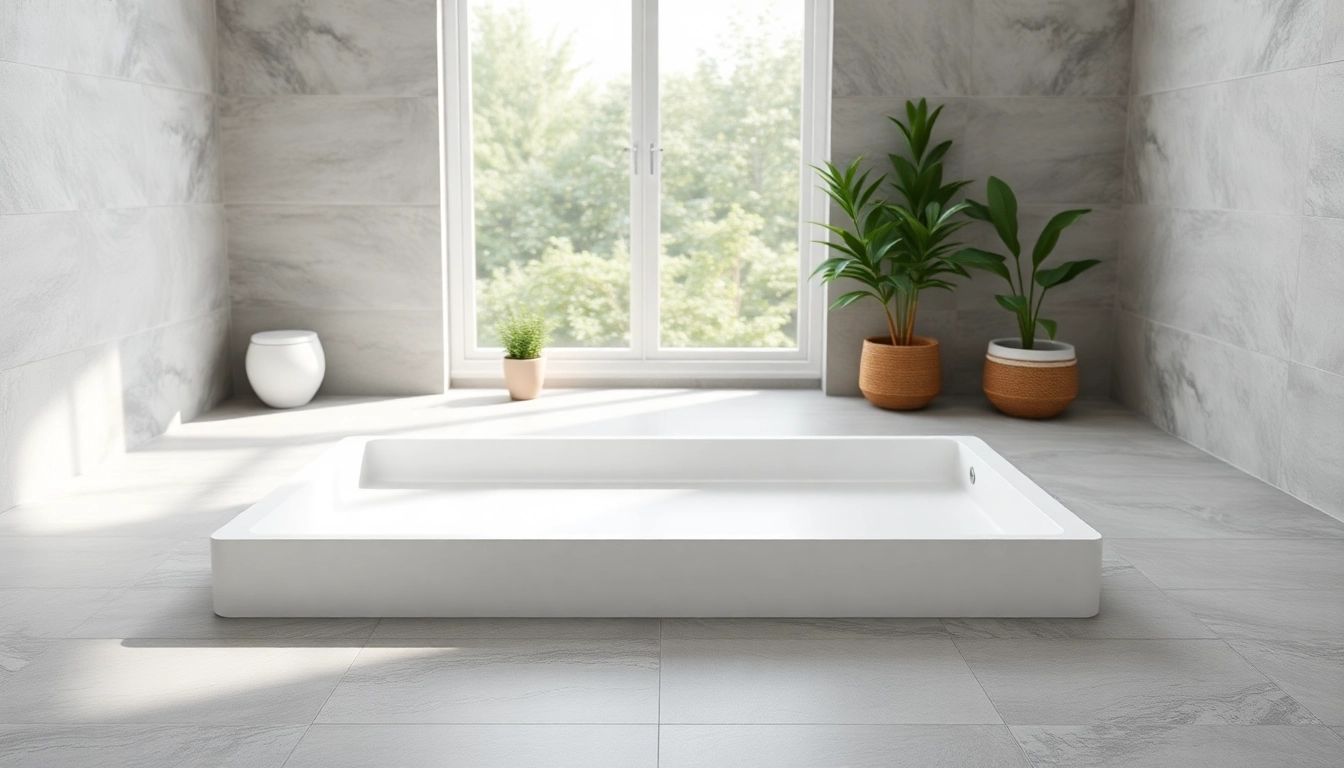
Understanding Shower Base Basics
What is a Shower Base?
A shower base, often referred to as a shower pan or shower tray, serves as the foundation of a shower enclosure. It is designed to hold water during a shower, collecting the runoff that drains away, preventing water from pooling on the bathroom floor. Typically, a shower base features a sloped design that guides water into a drain efficiently. This essential element not only ensures proper drainage but also provides a stable surface for standing while showering.
Types of Shower Bases
Shower bases come in various types, each suited for specific styles and installation needs. The most common types include:
- Tile Shower Bases: Custom-designed using tiles, these bases can blend seamlessly with the surrounding decor. They're versatile but may require more maintenance due to grout lines.
- Prefabricated Shower Bases: These are made of materials like acrylic, fiberglass, or solid surface composites. They are lightweight and easy to install, making them popular among DIY enthusiasts.
- Concrete Shower Bases: For a robust and durable option, concrete bases stand out. They can be molded to any shape, offering flexibility in design but can be heavier and require professional installation.
- Steel and Enamel Bases: These bases are known for their durability and resistance to wear and tear. They offer a firmer feel underfoot and are often easier to clean.
Key Material Options for Shower Bases
The choice of material for your shower base greatly affects its functionality, durability, and aesthetic. Here are the most common materials used:
- Acrylic: Lightweight, resistant to stains, and easy to clean, making them a popular choice for modern bathrooms.
- Fiberglass: Economical and available in various styles but may be less durable over time, prone to scratching or fading.
- Stone (Natural or Composite): Provides a luxurious look and feel, but requires sealing and care to protect against water damage.
- Porcelain or Ceramic Tiles: Offers a customizable option that can match any bathroom style but can be more complex to install and maintain.
Factors to Consider When Selecting a Shower Base
Dimensions and Space Requirements
Before choosing a shower base, it is crucial to measure your bathroom space accurately. Standard shower base dimensions vary, but they typically range from 30”x30” to 60”x32”. Consider the overall space available, including height restrictions, to ensure a proper fit that maximizes functionality without overcrowding the area.
Design and Aesthetic Compatibility
The design of your shower base should harmonize with the rest of your bathroom décor. Choose materials and colors that complement your tiles, fixtures, and overall theme. Whether you prefer a modern, minimalist look or a more traditional style, the right base can enhance the visual appeal of your bathroom.
Durability and Maintenance Needs
Durability is a significant consideration, especially in a high-use area like the shower. Evaluate the water resistance, ease of cleaning, and potential for scratching or staining of the materials. Options like acrylic and porcelain tend to require less maintenance compared to tile surfaces, which may need regular grouting and sealing. Selecting a durable material can save time and money in the long run.
Installation Process of a Shower Base
Preparation of the Bathroom Space
Before installation begins, prepare your bathroom space by removing any existing fixtures, ensuring your plumbing is accessible, and checking for any structural damage that needs repair. Clear the area of debris and dust to create a clean working environment.
Step-by-Step Installation Guide
- Dry Fit: Place the shower base in its intended location without securing it. Check for level and correct positioning.
- Plumbing Connection: Ensure the drain is aligned with the base’s drain hole. Adjust plumbing as needed to accommodate the new base.
- Set the Base: Remove the base and apply a layer of mortar or adhesive to the subfloor. Carefully position the base back atop the adhesive, ensuring it’s level.
- Secure and Seal: Allow the adhesive to set per manufacturer instructions. Once set, secure the base with screws if required, and apply sealant around the edges to prevent leaks.
- Finishing Touches: Install the shower walls or enclosure, connect fixtures, and ensure everything is watertight before use.
Common Installation Challenges
While installing a shower base can be manageable, there are common challenges to be aware of, such as:
- Uneven Floors: If the floor isn’t completely level, it could affect drainage. Use self-leveling compound to correct any discrepancies.
- Poor Drain Alignment: Ensure that your plumbing allows for proper drainage; misalignment can lead to water pooling.
- Weight of the Base: Some materials are heavy; ensure your subfloor can support the weight if using concrete or stone options.
Enhancing Your Shower Base Experience
Accessorizing Your Shower Base
Accessorizing your shower base can greatly enhance your overall shower experience. Options include:
- Shower Mats: These add comfort and safety, preventing slips on wet surfaces.
- Wall Shelves: Create storage space for shower essentials, keeping your area organized.
- Curved Shower Rods: Expands your space, offering a more comfortable shower experience.
Water Efficiency Tips for Shower Bases
To promote sustainability and reduce water usage in your shower, consider the following:
- Install a low-flow showerhead to reduce water output without sacrificing pressure.
- Limit shower time, encouraging shorter showers among all users.
- Consider a shower timer to keep track of shower durations and promote water conservation.
Cleaning and Maintenance Best Practices
Maintaining your shower base is essential to prolong its lifespan and keep it looking new. Here are some best practices:
- Clean regularly with a non-abrasive cleaner to prevent soap scum accumulation and discoloration.
- For tile bases, scrub grout lines periodically to prevent mold and mildew buildup.
- Inspect seals and caulking around the base every few months for any signs of wear or leaks.
Frequently Asked Questions about Shower Bases
How do I know what size shower base I need?
Measure the available space in your bathroom carefully, allowing for some clearance around the base. Common sizes range from 30”x30” to 60”x32”, fitting typical opening sizes.
What materials are best for a shower base?
Acrylic and fiberglass are popular due to their durability and easy maintenance. Natural stone offers luxury but requires more care. Choose based on your aesthetic and practical needs.
Can I install a shower base myself?
Yes, many homeowners successfully install a shower base themselves, especially prefabricated types. Ensure you follow all instructions and local plumbing codes carefully.
How do I clean and maintain my shower base?
Regularly clean the base with mild detergents and avoid abrasive materials. Inspect for signs of wear, and reseal as needed, particularly for tile or stone options.
What accessories pair well with a shower base?
Consider shower mats for safety, wall shelves for storage, and built-in benches for comfort. Choose accessories that complement your shower's design and purpose.