Understanding the Snack Machine Market
The snack machine market is evolving rapidly as consumer preferences shift towards convenience, health, and technology. As demand for automated vending solutions increases, understanding the landscape of snack machine manufacturers becomes crucial for entrepreneurs and businesses looking to capitalize on this dynamic sector. With the rise of smart vending technology and customization options, manufacturers are developing machines that meet diverse consumer needs, from traditional snacks to health-oriented products.
1. Overview of Snack Machine Manufacturers
Snack machine manufacturers play a pivotal role in the vending industry, offering a range of products designed to cater to various consumer demographics. These manufacturers vary significantly in size, technology, and specialties. Major players in the market include companies like Seaga Manufacturing, Crane National, and AMS Vending. These firms provide innovative solutions by integrating robust technology into vending systems, allowing for streamlined operations and enhanced user experiences.
2. Key Trends and Innovations for 2025
As we approach 2025, several key trends are reshaping the snack machine industry:
- Smart Vending Machines: The integration of IoT technology is allowing machines to provide real-time inventory management, cashless payment options, and remote monitoring capabilities.
- Health-Conscious Offerings: More manufacturers are acknowledging the shift towards healthier snack options. This includes vending machines that stock organic, gluten-free, and low-calorie snacks to cater to health-conscious consumers.
- Personalization: Manufacturers are increasingly focusing on customization options, allowing businesses to tailor their snack offerings to meet local tastes and preferences.
Types of Snack Machines Available
1. Comparison of Different Snack Machine Models
When navigating the diverse array of snack machines, it's important to consider the following types:
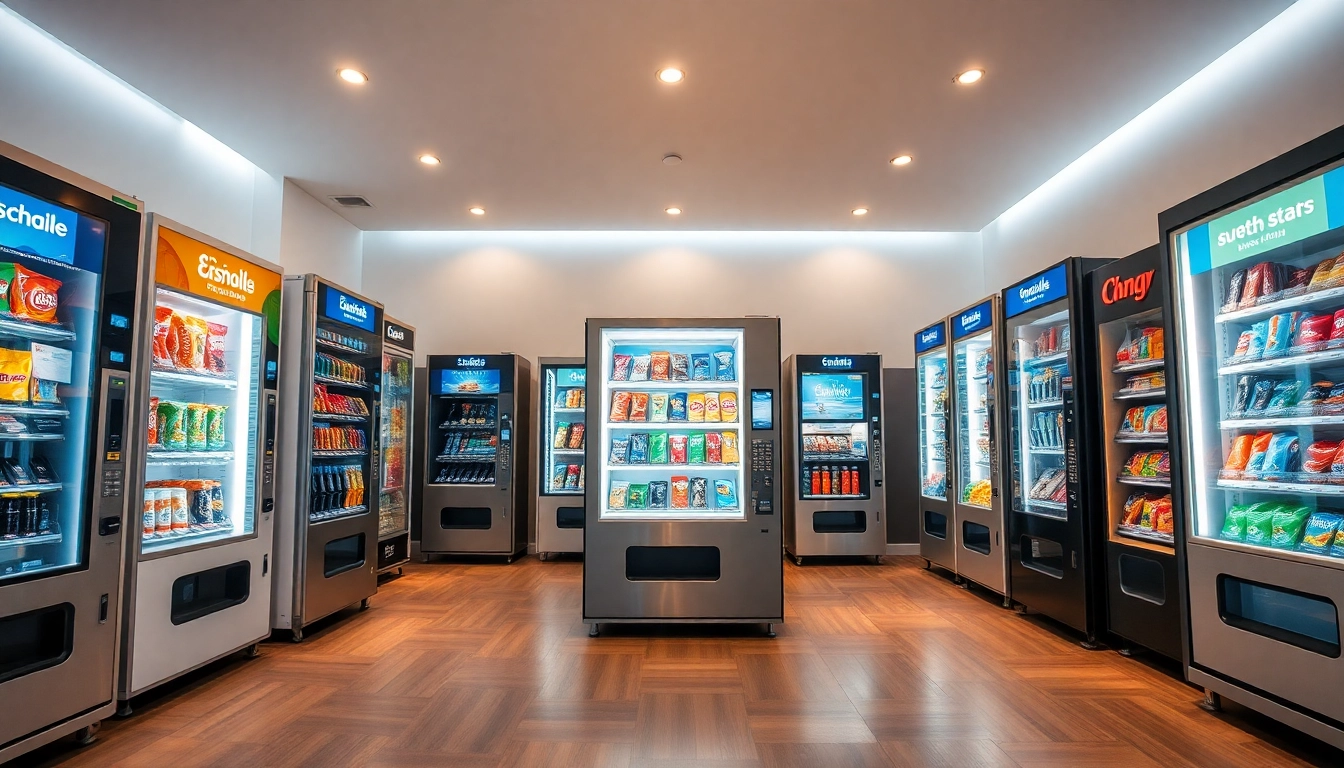
- Traditional Snack Machines: These are equipped with coils that dispense packaged snacks such as chips and candy.
- Healthy Snack Machines: These models focus on stocking nutritious options, including protein bars and dried fruits.
- Specialty Snack Machines: Some manufacturers offer machines that can dispense hot food items or unique products like flowers or phone cases.
2. Customization Options and Features
Customization is a key advantage in selecting a snack machine. Manufacturers offer options such as:
- Hardware modifications, including size and layout alterations to optimize for various locations
- Software enhancements, allowing for advanced telemetry, user interaction, and personalized marketing capabilities
- Design elements that can align with brand identity, making the vending machine a part of the overall customer experience
3. Specialty Snack Machines: Health and Wellness Focus
With a growing emphasis on health, many manufacturers are developing specialty machines that cater specifically to wellness trends. These machines often include:
- Fresh fruit vending machines
- Protein and energy bar dispensers
- Vending solutions for gyms and health clubs featuring nutritious snacks and beverages
Challenges Faced by Snack Machine Manufacturers
1. Navigating Supply Chain Issues
The recent global supply chain disruptions have posed significant challenges to snack machine manufacturers. Issues such as increased costs for raw materials, shipping delays, and labor shortages have forced many companies to reassess their sourcing strategies and manufacturing processes.
2. Responding to Regulatory Changes
Regulatory compliance is critical in the vending machine industry. Manufacturers must stay informed of health and safety regulations, especially concerning food safety standards and payment processing laws. Adapting to these changes can impact production timelines and costs.
3. Addressing Technological Advancements
The rapid pace of technology advancement in vending solutions requires manufacturers to continually update their offerings to remain competitive. Keeping up with the latest technologies, such as contactless payment systems and artificial intelligence, is vital for providing a seamless user experience.
Best Practices for Selecting Snack Machines
1. Evaluating Manufacturer Credentials and Reputation
Choosing the right snack machine manufacturer is crucial for success. Businesses should evaluate potential manufacturers based on their industry reputation, certifications, and customer reviews. Understanding their track record can help mitigate risks associated with quality and reliability.
2. Analyzing Cost vs. Value for Performance
While price is always a consideration, it should not be the sole determinant in selecting a vending machine. Evaluating the long-term value—such as machine durability, energy efficiency, and ease of maintenance—can provide a better picture of cost-effectiveness over time.
3. Understanding Support and Warranty Options
Comprehensive support and warranty services are essential when investing in snack machines. Buyers should ensure that the manufacturer offers robust customer service, including technical support, maintenance assistance, and warranty coverage to safeguard their investment.
Future Outlook for Snack Machine Manufacturers
1. Predicting Market Shifts and Developments
As we move into the next decade, the snack machine market is expected to experience significant shifts. The increasing demand for sustainable options, along with evolving consumer behavior toward convenience and health, will shape how products are developed and marketed.
2. Leveraging Technology in Vending Solutions
Incorporating cutting-edge technologies will be essential for manufacturers who want to thrive. Features such as AI, advanced analytics, and user-friendly interfaces will provide enhanced customer experiences and operational efficiencies.
3. Building Sustainable Practices in Manufacturing
As global awareness of environmental issues rises, manufacturers will need to adopt sustainable practices, including eco-friendly materials and energy-efficient technologies. This not only appeals to environmentally conscious consumers but can also reduce operational costs in the long run.