
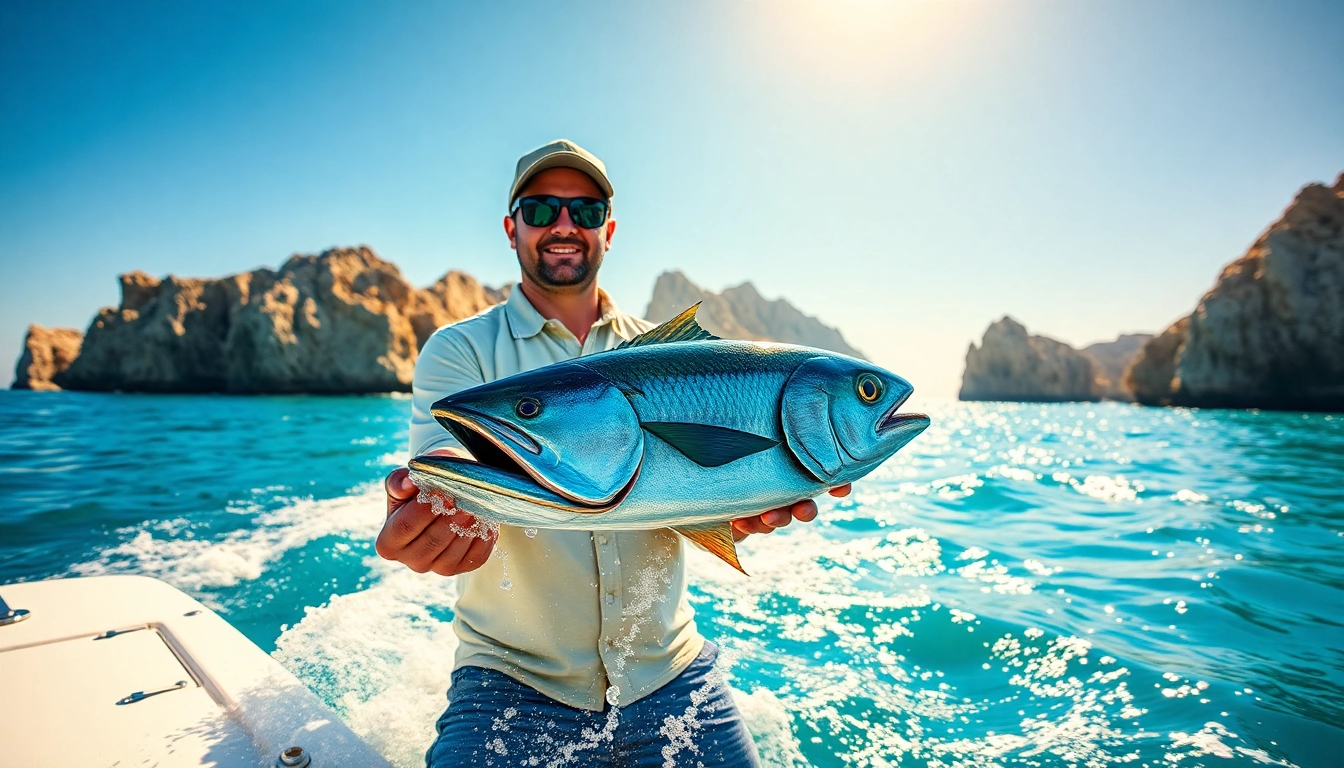
Understanding Wahoo Fishing Cabo San Lucas
Cabo San Lucas, with its stunning coastal landscapes and vibrant marine ecosystems, has become a premier destination for anglers eager to challenge their skills against some of the ocean's most formidable species. Among the sought-after catches is the Wahoo, a fast and agile fish that offers both a thrilling fight and delicious meat. If you're considering a fishing adventure, Wahoo fishing Cabo San Lucas provides an unmatched experience that combines breathtaking scenery with the thrill of the catch.
What Makes Cabo San Lucas Ideal for Wahoo
Cabo San Lucas boasts unique geographical features, a favorable climate, and rich marine biodiversity that creates an ideal environment for Wahoo. The convergence of the Pacific Ocean and the Sea of Cortez results in nutrient-rich water that attracts various baitfish, the primary diet of Wahoo. These waters are typically warmer, and the currents are ideal for Wahoo’s hunting and spawning, making Cabo a hotspot during specific seasons.
Wahoo Characteristics and Behavior
The Wahoo (Acanthocybium solandri) is renowned for its incredible speed, reaching up to 60 miles per hour. Skimming the surface and darting through the water, these sleek fish are ambush predators, employing their speed and agility to hunt small fish such as mackerel and squid. Understanding their behavior is crucial; they are often found in schools, especially when younger, and can be most active during dawn and dusk, which makes these times ideal for fishing. Additionally, their preference for near-shore waters and reefs can influence fishing tactics and location selection.
Best Fishing Techniques for Wahoo
Trolling Methods to Attract Wahoo
Trolling is one of the most effective methods to catch Wahoo. By using a combination of speed and strategically chosen lures, anglers can mimic the movement of baitfish. Typically, speeds of 6 to 10 knots work best, allowing the lures to swim naturally at a depth that attracts Wahoo. Use lures that mimic the appearance of local baitfish, such as flashy jigs or diving plugs that can reach depths of 15 to 30 feet.
Using Lures vs. Live Bait
Both lures and live bait can be effective for Wahoo fishing in Cabo San Lucas. Lures offer the advantage of covering large areas quickly, making them perfect for locating Wahoo. On the other hand, live bait, such as small mackerel or sardines, can enhance the chance of attracting a bigger catch when Wahoo are in the mood for an easier meal. Using a combination of both methods can also be a strategic approach, alternating between lures and live bait based on the fish’s reactions.
Tips for Timing and Location
Fishing at the right time is as essential as (or more than) using the correct gear. Early morning and late afternoon tend to be peak times for Wahoo activity. Some hot spots for catching Wahoo around Cabo San Lucas include the Finger Banks and the Gordo Banks. Studying local fishing reports can also provide insight into the best times and places for your trip.
Planning Your Wahoo Fishing Trip
Choosing the Right Charter Service
Selecting a reputable charter service is critical for a successful fishing trip. Look for services that specialize in Wahoo fishing and have experienced crews knowledgeable about local waters. Reviews from past customers can give you a sense of the quality of service you can expect. Don’t hesitate to ask about their fishing gear, tackle options, and the experience of their crew members.
Optimal Seasons for Wahoo Fishing
The best seasons for catching Wahoo in Cabo San Lucas generally extend from late summer through early fall. These months typically provide warmer water temperatures, which are conducive to Wahoo activity. Specific local weather patterns can influence the exact timing, so keeping an eye on weather forecasts and ocean conditions is advisable.
What to Bring for a Successful Trip
To maximize your fishing experience, pack appropriately. Key items include high-quality sunscreen, a wide-brimmed hat, polarized sunglasses, and comfortable clothing suited for warm weather. Bring a cooler for your catch and refreshments to stay hydrated. Additionally, familiarizing yourself with local regulations regarding catch limits can help plan your trip effectively.
Techniques for Catching and Releasing Wahoo
Best Practices for Catch and Release
Practicing catch and release can help sustain fish populations and provide future anglers the opportunity to experience the thrill of Wahoo fishing. When releasing a Wahoo, minimize the time the fish is out of the water, and use wet hands or a wet cloth to handle the fish. Cut the line if the hook is deeply embedded to lessen stress on the fish and allow its natural healing process.
Handling Wahoo Safely
Due to their sharp teeth and powerful movements, Wahoos should be handled with care. Use a gaff or a dip net to land them from the boat while keeping your hands clear of the mouth. Once landed, support their weight properly to prevent injury. It’s also essential to have the right tools available for safe hook removal before handling them.
Post-Catch Care for Quality Fillets
After catching a Wahoo, proper post-catch care is vital to ensure you retain the highest quality fillets. Immediately bleed the fish by cutting the gills and placing it in ice or on ice direct to preserve its freshness. Cleaning the fish promptly with a sharp knife helps avoid spoilage, yielding clean fillets optimal for cooking.
Monitoring Your Wahoo Fishing Success
Tracking Your Catch Metrics
Keeping track of your fishing success can help improve your skills over time. Consider maintaining a fishing log that records significant details such as the date, weather conditions, location, techniques used, and the number and size of Wahoo caught. Analyzing your logs can reveal patterns to enhance future fishing trips.
Common Challenges and Solutions
Wahoo fishing can present various challenges, from environmental factors to equipment failures. Uneven weather conditions can affect fish behavior, while gear malfunctions can result in lost opportunities. Getting familiar with local weather forecasts and regularly checking and maintaining your equipment can help mitigate these issues. Additionally, understanding fishing regulations and conservation efforts can enhance your experience without compromising these important aspects.
Sharing Your Wahoo Fishing Adventures
Sharing your fishing successes and stories can enrich the community and inspire others to partake in the captivating world of Wahoo fishing. Social media platforms, fishing forums, and local community boards are excellent places to share your experiences, techniques, and even recipes using your catch. Not only does this foster camaraderie, but it also supports the conservation of fishing environments by building awareness.