Introduction to Structural Steel Construction
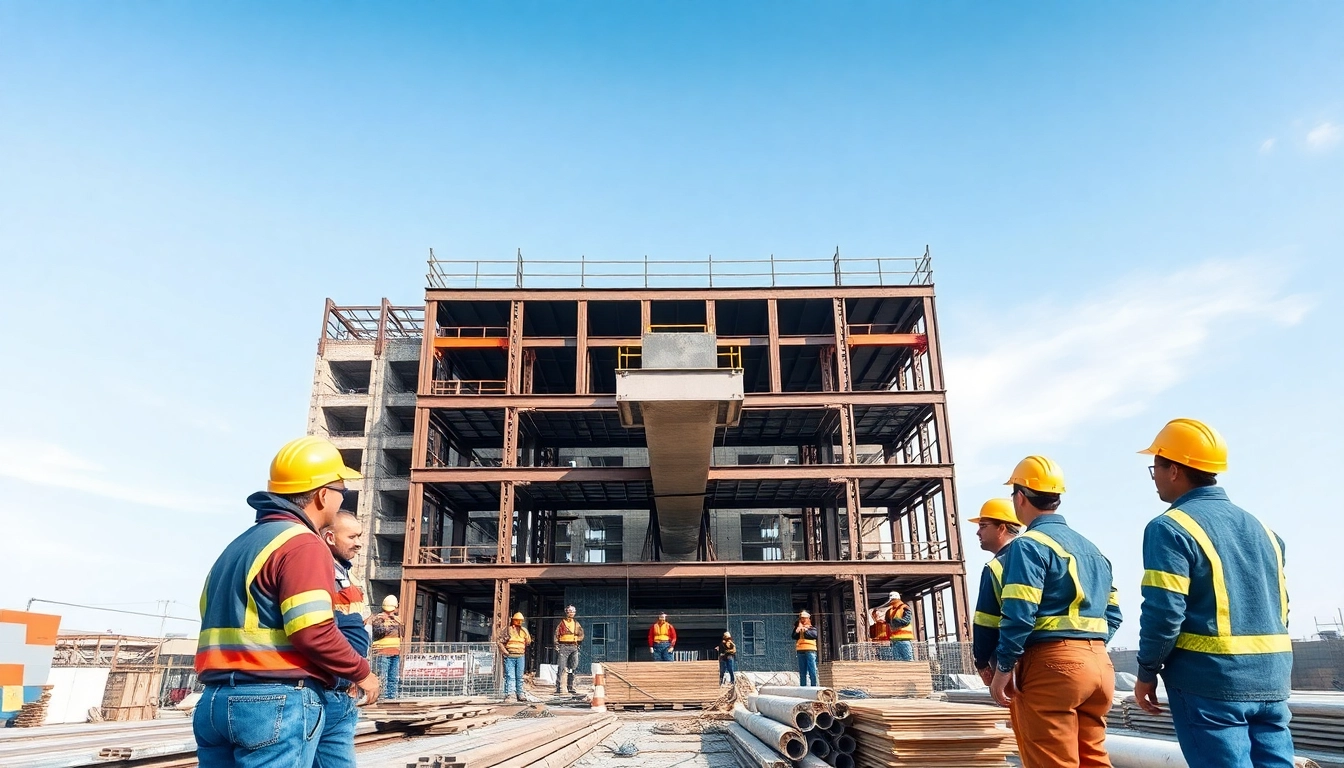
Structural steel construction forms the backbone of modern architecture and engineering, allowing for the creation of versatile, durable, and aesthetically pleasing structures. From towering skyscrapers to robust bridges, structural steel is pivotal in providing strength and stability. This critical construction material has a rich history and continues to evolve, driven by innovation, sustainability, and the demands of modern design. Its usage in various applications underscores its importance in ensuring that buildings withstand loads and environmental factors effectively. For a deeper dive into structural steel construction, we will explore its definition, applications, advantages, and more throughout this article.
Definition and Importance
Structural steel is defined as steel that is fabricated into specific shapes for use in construction applications. These shapes include beams, plates, columns, and more, which can be assembled to form a strong framework for buildings and other structures. The defined properties of structural steel, including its tensile strength, weldability, and ductility, make it an ideal choice for both commercial and residential constructions. Its importance cannot be overstated; structural steel is critical in maintaining the structural integrity and safety of buildings, enabling them to handle various loads such as people, equipment, and environmental impacts.
Common Applications of Structural Steel
The versatility of structural steel permits it to be used across multiple sectors. Some common applications include:
- Commercial Buildings: Offices, retail spaces, and warehouses frequently utilize structural steel for their frameworks.
- Residential Structures: Modern homes often incorporate structural steel frames to provide support and flexibility in design, particularly in open-plan layouts.
- Industrial Infrastructure: Factories and manufacturing facilities depend on heavy steel frameworks to support machinery and equipment.
- Bridges: The strength-to-weight ratio of structural steel makes it ideal for building bridges, which must withstand heavy loads while spanning great distances.
- Sports Facilities: Stadiums and arenas often use structural steel for their expansive roofing systems and grandstands.
Advantages of Using Structural Steel
Utilizing structural steel in construction offers multiple benefits, making it a preferred material among architects and builders:
- High Strength-to-Weight Ratio: Structural steel provides exceptional strength while remaining lightweight, allowing for larger spans and reducing material costs.
- Durability: Steel is resistant to many environmental factors such as pests, fire, and extreme weather, ensuring structural longevity.
- Sustainability: Steel is infinitely recyclable, making it an environmentally friendly option when sourced responsibly.
- Speed of Construction: Pre-fabricated steel components can be quickly assembled on-site, reducing labor time and project duration.
- Design Flexibility: Structural steel enables innovative architectural designs, supporting a wide range of styles and applications.
Types of Structural Steel
Common Grades and Specifications
Structural steel comes in various grades and specifications tailored to different applications and performance requirements. Some of the most common grades include:
- A36 Steel: A widely used carbon structural steel known for its good weldability and machinability.
- A992 Steel: This steel is specifically tailored for use in building construction, offering excellent strength and stability.
- S235 Steel: Commonly used in Europe, S235 provides good weldability and is suitable for various structural applications.
- S355 Steel: This high-strength structural steel is often used in construction where greater load-bearing capacity is necessary.
- Weathering Steel (Corten): Known for its corrosion-resistant properties, this steel is utilized in outdoor applications.
Architectural Styles with Structural Steel
Structural steel has facilitated the evolution of diverse architectural styles, from contemporary designs to traditional aesthetics. Key styles that highlight the use of structural steel include:
- Modernism: Characterized by clean lines and open spaces, structural steel allows for minimalistic designs with expansive glass facades.
- Brutalism: This style often employs raw, unfinished structural steel to create bold, powerful forms.
- Art Deco: The integration of structural steel with ornate design elements can be seen in iconic buildings from the 1920s and 1930s.
- Industrial Style: This aesthetic embraces exposed structural steel framework, celebrating its raw beauty within contemporary environments.
Innovative Structural Steel Designs
Innovation in structural steel design continues to push the boundaries of what is possible in architecture and construction. Some notable trends and breakthroughs include:
- Adaptive Reuse: Using structural steel in the renovation of old buildings enables sustainable practices, transforming spaces while maintaining historical significance.
- High-Rise Buildings: Advances in engineering allow for increasingly taller structures by efficiently utilizing structural steel, exemplified in skyscrapers.
- Modular Construction: Incorporating prefabricated steel modules can expedite construction timelines while ensuring quality and safety standards.
- Smart Structures: The integration of technology into structural steel systems enables real-time monitoring of structural health and performance.
Design Considerations for Structural Steel Construction
Load-Bearing Capacity and Structural Integrity
When designing structures with steel, engineers must carefully evaluate load-bearing capacities to ensure safety and functionality. Key aspects include:
- Dead Load: The static weight of the structure itself must be accurately calculated to determine the necessary support.
- Live Load: This includes temporary loads from occupants, furnishings, and equipment, which vary based on the building's usage.
- Environmental Load: Factors such as wind, snow, seismic activity, and thermal expansion must be considered in the overall design.
Compliance with Building Codes
Building codes dictate the minimum standards for construction to ensure safety, health, and welfare. When utilizing structural steel, compliance involves:
- Understanding Regional Codes: Familiarity with local regulations is critical, as codes can vary widely based on geographical concerns.
- Material Certification: All materials used must meet specific industry standards and certifications to ensure quality and performance.
- Inspection and Approval: Rigid inspection processes ensure that the construction adheres to approved plans and code requirements.
Material Selection and Sustainability
Material selection is crucial in achieving sustainability in construction. Structural steel offers a pathway toward greener building practices, which can be achieved through:
- Using Recycled Steel: Most structural steel incorporates recycled content, reducing the carbon footprint associated with steel production.
- Life Cycle Assessment: Evaluating the environmental impact of steel from extraction to end-of-life allows for informed decision-making in design and material use.
- Innovative Coatings: Advances in protective coatings extend the lifespan of steel while enhancing its resistance to environmental elements, contributing to sustainability.
Challenges in Structural Steel Construction
Labor and Skilled Workforce Issues
As with many construction sectors, the skilled workforce for structural steel construction is dwindling, posing significant challenges. The industry faces:
- Training Gaps: A lack of vocational training programs results in fewer skilled workers entering the industry, affecting quality and productivity.
- Retention Issues: High turnover rates can disrupt project continuity and increase labor costs, making it critical to enhance worker engagement.
Cost Management Strategies
Effective cost management is essential for project success in structural steel construction. Strategies to manage costs include:
- Detailed Project Planning: Comprehensive upfront planning can mitigate unforeseen costs and delays during construction.
- Supplier Relationships: Building strong partnerships with suppliers ensures competitive pricing and reliable material delivery.
- Budget Monitoring: Continuous monitoring of expenditures against the budget helps control costs throughout the project lifecycle.
Addressing Environmental Concerns
Environmental concerns related to construction practices are of increasing importance. Structural steel construction can mitigate some of these issues through:
- Sustainable Sourcing: Selecting steel sourced from suppliers committed to environmentally friendly mining and manufacturing practices.
- Waste Reduction: Implementing strategies to minimize waste during fabrication and installation processes is vital in promoting sustainability.
- Energy Efficiency: Focusing on the energy efficiency of buildings designed with structural steel contributes to reduced environmental impact.
The Future of Structural Steel Construction
Emerging Technologies and Innovations
The future of structural steel construction is bright, driven by remarkable technological advancements such as:
- Building Information Modeling (BIM): This technology enhances the design and construction process through 3D modeling, allowing for better collaboration and error reduction.
- Automation: Robotics and automation are increasingly being integrated into steel fabrication processes, resulting in improved efficiency and accuracy.
- Advanced Material Research: Continued research into high-performance steel grades and composites is paving the way for stronger and more adaptable materials.
Trends in Sustainable Construction
Sustainability is a critical consideration in the future of construction. Key trends include:
- Net-Zero Buildings: Designing structures that produce as much energy as they consume has become a guiding principle for many new projects.
- Green Certifications: Pursuing certifications such as LEED and BREEAM can enhance the sustainability profile of a project, making it more appealing to environmentally conscious clients.
- Integration of Renewable Energy: Incorporating solar panels and wind systems into designs allows for the creation of energy-generating buildings.
Impact of 3D Printing and Automation
The intersection of 3D printing technology and automation is revolutionizing the construction landscape, including structural steel applications:
- Custom Components: 3D printing facilitates the rapid production of bespoke structural elements, allowing for greater design flexibility.
- Faster Construction Times: Automated processes can significantly reduce construction time, enabling faster project completion.
- Precision Fabrication: Increased accuracy in creating steel components leads to fewer errors and reduced waste during construction.