In today’s fast-paced world, ensuring the safety of your home, business, or property has never been more critical. With rising concerns about theft, vandalism, and personal safety, investing in reliable Security Systems is not merely an option but a necessity. Choosing the right Security Systems can be overwhelming due to the vast array of options available, each offering different features, technologies, and levels of protection. This guide aims to provide a comprehensive overview of everything you need to consider when selecting Security Systems, helping you make informed decisions that align with your security needs, budget, and lifestyle.
Understanding the Importance of Security Systems
Security Systems serve as both a deterrent and a response mechanism for potential threats. For homeowners, these systems provide peace of mind, ensuring that family members and valuable possessions are protected. For businesses, robust Security Systems are critical for safeguarding assets, sensitive information, and employees. The right system goes beyond merely triggering alarms; it integrates monitoring, response protocols, and advanced analytics to ensure proactive security.
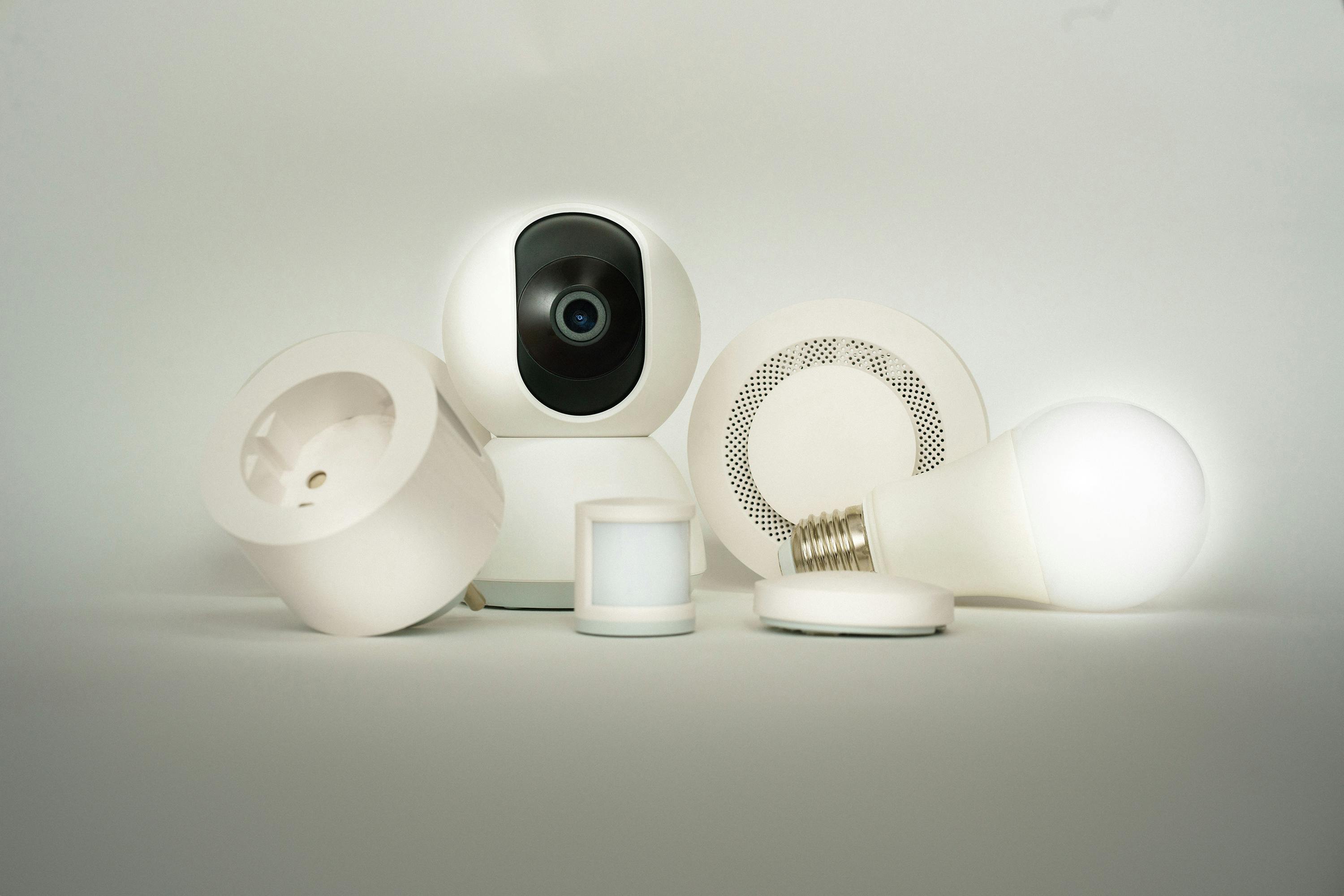
Modern Security Systems have evolved significantly from traditional alarm setups. They now incorporate technologies such as smart cameras, motion detection, facial recognition, and remote monitoring, offering real-time insights and control. Understanding the full scope of these features is essential to selecting a system that truly meets your requirements.
Key Types of Security Systems
When exploring Security Systems, it is crucial to understand the different types available and how they function. The primary categories include wired, wireless, and hybrid systems, each offering unique advantages and considerations.
Wired Security Systems
Wired Security Systems have been the backbone of security for decades. These systems typically involve a direct connection between sensors, cameras, and the central control panel through physical wiring. Wired systems are known for their reliability and consistent performance since they are less susceptible to interference or signal loss. They are ideal for permanent installations in homes and businesses where extensive construction or renovation is feasible. However, installation can be time-consuming and may require professional expertise, which could increase costs.
Wireless Security Systems
Wireless Security Systems have gained immense popularity due to their flexibility and ease of installation. These systems use radio signals to connect sensors and cameras to a central hub or monitoring service, eliminating the need for extensive wiring. Wireless systems are highly adaptable and suitable for both renters and property owners who may move locations. Advanced wireless systems also offer smart home integration, enabling users to control locks, cameras, and alarms from mobile devices. While convenient, wireless systems may face challenges such as battery maintenance and potential signal interference, which need careful consideration.
Hybrid Security Systems
Hybrid Security Systems combine the reliability of wired connections with the flexibility of wireless technology. They are particularly suitable for larger properties or locations requiring both extensive coverage and remote monitoring. Hybrid systems allow the integration of traditional wired sensors with wireless cameras or smart home devices, creating a versatile and scalable security solution. This adaptability makes hybrid systems an excellent choice for both residential and commercial environments.
Features to Consider in Security Systems
Selecting the right Security Systems goes beyond understanding the types of systems available. It requires evaluating specific features that address your security concerns effectively.
Surveillance Cameras
Surveillance cameras are a fundamental component of modern Security Systems. High-resolution cameras provide clear video footage, which is crucial for identifying intruders and monitoring activities. Consider cameras with night vision capabilities to ensure 24/7 surveillance. Some advanced cameras offer facial recognition, motion detection, and cloud storage, allowing for both real-time monitoring and historical review of events.
Alarm Systems
Alarm systems are designed to alert property owners and authorities in the event of unauthorized access or emergencies. Effective Security Systems include alarms that respond to specific triggers, such as door or window breaches, motion detection, or environmental hazards like fire and carbon monoxide. The volume, type, and responsiveness of alarms are critical factors in determining the system’s effectiveness.
Access Control
Access control features in Security Systems regulate who can enter specific areas within a property. These systems range from keypads and card readers to biometric scanners and smart locks. Access control not only enhances security but also allows for tracking and auditing entries and exits, which is particularly important in commercial settings.
Remote Monitoring
One of the most valuable features of modern Security Systems is remote monitoring. Through smartphone apps or web interfaces, users can monitor their property in real time, receive alerts, and even control devices remotely. This capability enhances the convenience and responsiveness of security measures, providing an added layer of protection regardless of the user’s physical location.
Integration with Smart Home Devices
Integration with smart home devices is becoming a standard expectation for high-end Security Systems. These integrations allow seamless communication between security cameras, alarms, lighting, and even thermostats. For instance, detecting unusual motion can trigger lights and alarms automatically, deterring intruders and notifying the property owner. The ability to automate security responses significantly enhances overall protection.
Determining Your Security Needs
Understanding your specific security requirements is the first step in selecting the right Security Systems. Conduct a thorough assessment of your property and lifestyle to identify potential vulnerabilities. Consider factors such as the property size, location, number of entry points, and the presence of valuable items or sensitive information. Additionally, evaluate personal preferences and requirements, such as the desire for remote access, real-time alerts, or integration with smart devices.
Residential Security Needs
For homeowners, Security Systems should focus on protecting family members, personal belongings, and the home’s structural integrity. A combination of surveillance cameras, motion sensors, and alarm systems is typically sufficient. Homes in high-crime areas may benefit from additional features, such as video doorbells, outdoor lighting triggers, and perimeter sensors. The goal is to create multiple layers of security that prevent unauthorized access and allow for timely intervention.
Commercial Security Needs
Businesses face a different set of challenges when it comes to Security Systems. Protecting employees, inventory, sensitive data, and financial assets requires a more comprehensive approach. Multi-zone surveillance, access control systems, and centralized monitoring are critical for ensuring security in commercial settings. Furthermore, businesses often need scalable solutions that can adapt to changing security demands and expansions.
Customizing Security Solutions
No two properties are identical, and effective Security Systems must be customized to address specific risks. Professional security consultants can assess vulnerabilities and design tailored solutions that maximize protection. Customization may involve selecting appropriate sensors, camera placement, alarm types, and monitoring options to ensure comprehensive coverage without unnecessary complexity or expense.
Installation and Maintenance Considerations
Proper installation and ongoing maintenance are essential for the effectiveness of Security Systems. A poorly installed system can leave gaps in security, while neglecting maintenance may result in failures at critical moments.
Professional vs. DIY Installation
Security Systems can be installed professionally or through do-it-yourself (DIY) methods, depending on the system type and complexity. Professional installation ensures that sensors, cameras, and alarms are strategically placed for optimal coverage. Experts can also integrate systems with smart home devices and provide configuration and testing services. DIY installation may be suitable for simpler wireless systems, but users must carefully follow instructions to ensure reliability.
Regular Maintenance
Maintaining Security Systems is essential for long-term functionality. This includes testing alarms, updating software and firmware, replacing batteries, and inspecting cameras and sensors. Regular maintenance not only prevents malfunctions but also ensures that the system operates efficiently and responds accurately in emergencies.
Budgeting for Security Systems
Cost is a significant factor when selecting Security Systems, but it should not compromise effectiveness. Systems vary widely in price based on features, complexity, and brand reputation. Homeowners may find adequate protection with mid-range wireless systems, while businesses often require high-end solutions with extensive monitoring capabilities. When budgeting, consider not only the upfront cost but also installation, maintenance, and potential upgrades. Investing in a reliable system can ultimately save money by preventing losses and minimizing liability.
Cost vs. Value
Evaluating Security Systems should focus on value rather than price alone. A higher-cost system with advanced features may provide superior protection, faster response times, and better long-term performance. Conversely, a budget-friendly system that meets your core security needs may be more cost-effective if it offers reliable operation without unnecessary extras.
Technology Trends in Security Systems
The field of Security Systems is rapidly evolving, with emerging technologies enhancing protection and user experience. Staying informed about trends helps in selecting systems that remain relevant and effective for years to come.
Artificial Intelligence and Machine Learning
AI-powered Security Systems are capable of analyzing patterns, detecting unusual behavior, and reducing false alarms. Machine learning algorithms can differentiate between potential threats and everyday activities, providing smarter alerts and improving overall accuracy.
Cloud-Based Solutions
Cloud-based Security Systems enable secure storage of video footage and system data offsite. This allows for easy access, remote management, and scalable solutions without the need for extensive local infrastructure. Cloud integration also supports advanced analytics and automated alerts.
Mobile Integration
Mobile integration continues to be a critical trend in Security Systems, allowing users to control alarms, cameras, and access points directly from smartphones. Real-time notifications, live video streaming, and remote control enhance convenience and responsiveness, ensuring that users remain connected to their security at all times.
Selecting a Security Provider
Choosing a reputable provider is as important as selecting the right system. Reliable providers offer professional guidance, quality products, and ongoing support. Look for companies with strong customer service, positive reviews, and transparent pricing. Additionally, consider providers who offer monitoring services, emergency response coordination, and technical support to ensure comprehensive protection.
Conclusion
Selecting the right Security Systems is a critical decision that impacts the safety of your home, business, and loved ones. By understanding the types of systems, evaluating essential features, assessing security needs, and considering installation, maintenance, and budget factors, you can make an informed choice that maximizes protection and peace of mind. Modern Security Systems integrate advanced technologies, offering intelligent monitoring, remote access, and automated responses, providing an unparalleled level of security. Prioritizing quality, customization, and professional guidance ensures that your investment in Security Systems delivers lasting value and effective protection. Find everything you need to know on our main site.
Frequently Asked Questions (FAQs)
What are the main types of security systems?
The main types of Security Systems include wired, wireless, and hybrid systems. Wired systems provide reliable performance through physical connections, wireless systems offer flexibility and ease of installation, and hybrid systems combine both technologies for scalable and adaptable security.
How do I determine the best security system for my home?
To choose the best Security Systems for your home, assess your property’s size, entry points, and vulnerabilities. Consider your lifestyle, the level of monitoring desired, and whether smart home integration or remote access is important. Professional consultations can also help tailor the system to your specific needs.
Are wireless security systems reliable?
Yes, modern wireless Security Systems are highly reliable. Advances in technology ensure strong signal transmission, remote monitoring, and robust security features. Regular maintenance, such as checking batteries and updating software, helps maintain optimal performance.
What features should I prioritize in a security system?
Key features to prioritize in Security Systems include surveillance cameras with high resolution and night vision, responsive alarm systems, access control mechanisms, remote monitoring capabilities, and integration with smart home devices. These features ensure comprehensive protection and convenience.
How often should security systems be maintained?
Security Systems should be maintained regularly to ensure proper functionality. This includes testing alarms, inspecting cameras and sensors, updating software and firmware, and replacing batteries as needed. Routine maintenance reduces the risk of failures and ensures the system remains effective over time.